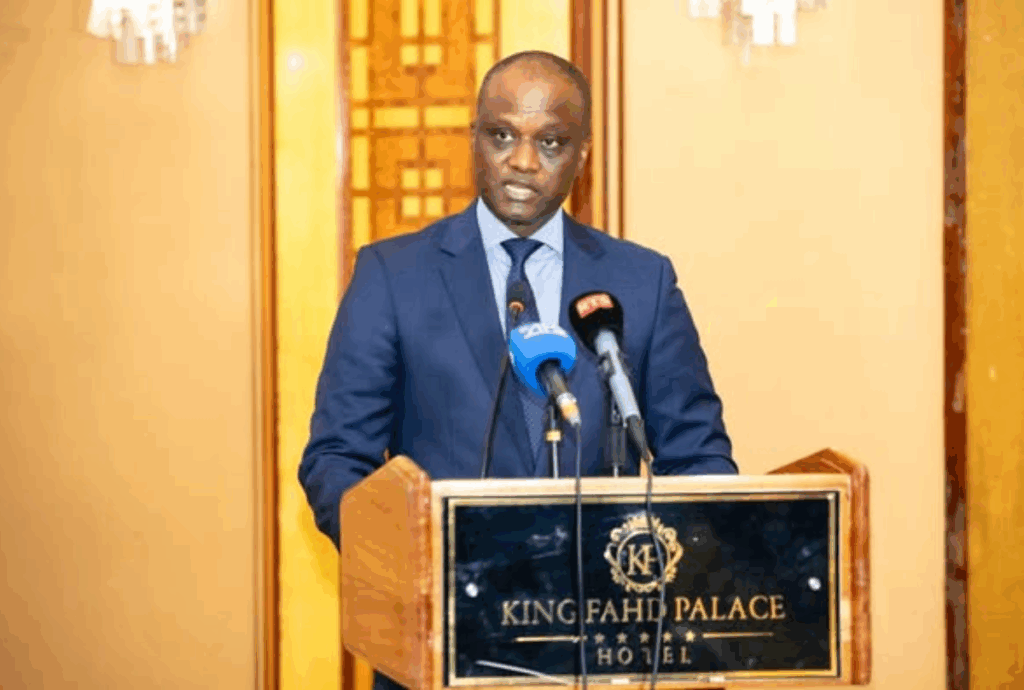
Senegal has launched the SOURCE digital platform to enhance the management and transparency of Public-Private Partnership (PPP) contracts. Developed with support from the Sustainable Infrastructure Foundation (SIF), the platform is designed to streamline the planning, preparation, and implementation of infrastructure projects involving both public and private stakeholders.
The introduction of SOURCE aligns with Senegal’s broader strategy to modernize its infrastructure development process, ensuring better governance, accountability, and efficiency. It offers a standardized approach to managing the lifecycle of PPP projects—from initial feasibility studies to final execution—helping reduce delays, cost overruns, and administrative bottlenecks.
One of the platform’s key advantages is its ability to centralize project data and documentation, allowing relevant stakeholders—including government agencies, private investors, and development partners—to access real-time, accurate information. This increases transparency and builds investor confidence by showing that projects are being managed in a consistent and professional manner.
SOURCE also supports capacity building by providing tools and templates aligned with global best practices, enabling project teams to improve their technical and financial assessments. This is expected to contribute to higher-quality infrastructure outcomes that are socially, environmentally, and economically sustainable.
Senegal’s adoption of SOURCE reflects its commitment to attracting more private investment in infrastructure, particularly in sectors like energy, transport, and water. The platform is seen as a crucial step toward achieving the country’s development goals under the “Plan Sénégal Émergent.”
By digitizing and standardizing the PPP process, Senegal aims to create a more attractive, predictable environment for private investors while ensuring that public infrastructure projects deliver value for money and long-term benefits to the population. The launch of SOURCE represents a significant move toward smarter, more transparent infrastructure governance in West Africa.
Leave a Reply