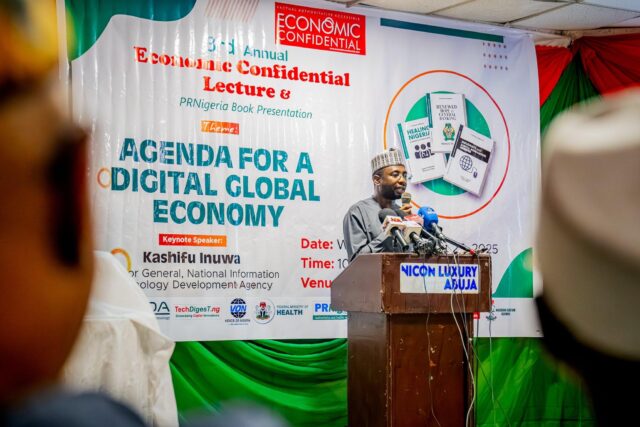
Nigeria is positioning its digital economy as the cornerstone of national growth, with ambitions to expand its GDP to $1 trillion by 2030. The federal government views technology as the key driver of economic diversification, job creation, and global competitiveness, moving the country beyond dependence on oil revenues.
The Minister of Communications, Innovation, and Digital Economy has emphasized that technology-driven sectors—such as fintech, e-commerce, digital payments, and broadband infrastructure—are already transforming Nigeria’s economic landscape. With the nation boasting Africa’s largest population and a youthful demographic, the government believes the country has the human capital to fuel large-scale innovation and entrepreneurship.
Central to this agenda is the National Digital Economy Policy, which seeks to deepen broadband penetration, expand digital skills, promote innovation hubs, and attract both local and foreign investment. Nigeria’s fintech industry, now among the fastest-growing globally, is highlighted as a prime example of how technology can generate wealth, attract global partnerships, and foster financial inclusion.
The administration is also prioritizing policies to enhance digital infrastructure and cybersecurity, recognizing that trust and access are critical to sustaining growth. Initiatives are underway to strengthen the startup ecosystem, improve regulatory frameworks, and ensure that digital services reach underserved communities, bridging the urban–rural digital divide.
While Nigeria faces hurdles such as inadequate electricity supply, limited internet penetration in remote areas, and the need for stronger governance, officials remain optimistic. They stress that investments in digital literacy and infrastructure will yield long-term economic dividends. The private sector, particularly startups and tech companies, is seen as an essential partner in achieving this goal, with collaboration across government, industry, and international organizations being actively pursued.
Ultimately, Nigeria’s digital revolution is not only about economic growth but also about positioning the country as Africa’s technological hub. If effectively implemented, this strategy could redefine Nigeria’s role in the global economy, lifting millions out of poverty while creating a resilient and inclusive economic future.
Leave a Reply