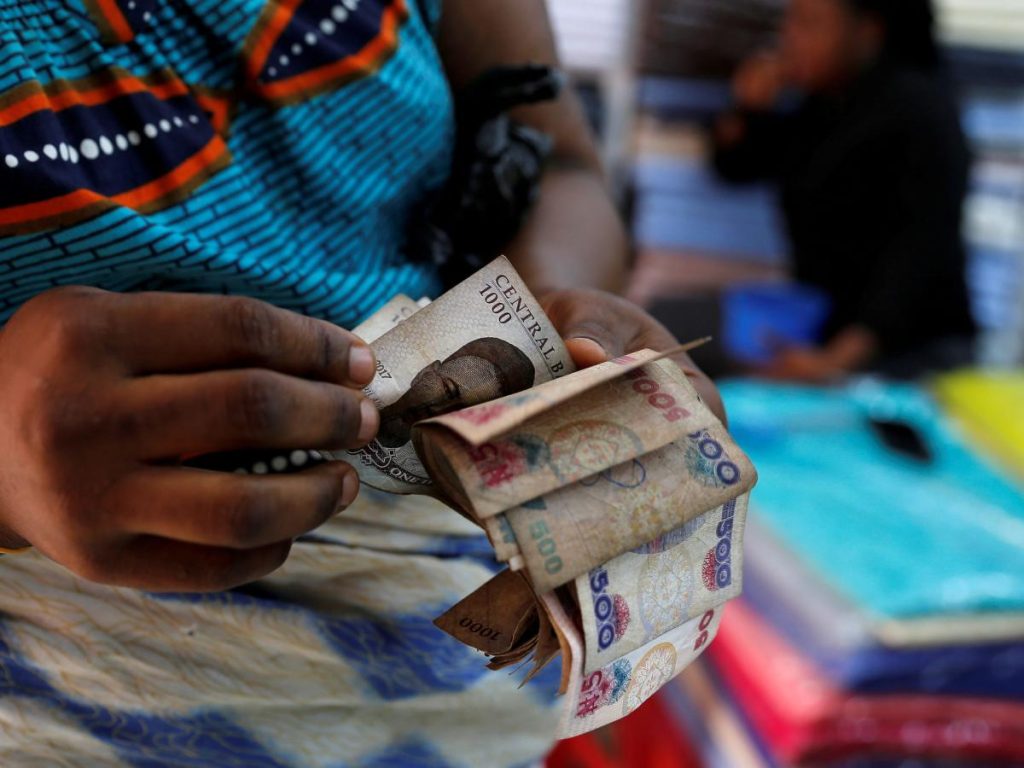
Despite a massive ₦647 trillion surge in electronic payment transactions across Nigeria, the country’s informal sector — which accounts for over 50% of its economy — remains stubbornly cash-first. This paradox highlights the ongoing challenge of digitizing financial behavior in a sector deeply rooted in tradition, trust, and accessibility.
According to data from the Nigeria Inter-Bank Settlement System (NIBSS), the volume and value of electronic payments in Nigeria have grown exponentially in recent years. From mobile banking and USSD transfers to point-of-sale (PoS) machines and fintech apps, the adoption of digital payment tools is on the rise — especially among urban consumers and businesses. However, this digital payment revolution has largely bypassed the informal economy, which includes market traders, artisans, transport operators, and small-scale service providers.
There are several reasons for this resistance. First, digital infrastructure gaps persist in rural and semi-urban areas, making it difficult for informal business owners to consistently access reliable internet or even electricity. Second, many individuals in the informal sector operate outside the traditional banking system. Without formal bank accounts or smartphones, they find it easier — and safer — to stick with physical cash.
Trust also plays a significant role. Many informal traders prefer the immediacy and tangibility of cash transactions. Delays in mobile transfers, failed transactions, or unconfirmed payments can lead to disputes and financial losses. In a low-trust environment, cash is seen as certain — a guarantee that payment has been made and accepted.
Moreover, digital literacy remains a barrier. While smartphone usage is growing, many Nigerians in the informal sector lack the confidence or skills to use digital payment platforms. Language, complexity, and fear of fraud also deter wider adoption.
Still, the potential benefits of digital payments are hard to ignore: increased security, access to credit, easier savings, and formal recognition for microbusinesses. To bridge the gap, stakeholders — from fintechs to the Central Bank of Nigeria — must focus on improving infrastructure, building trust, offering incentives, and educating users.
Nigeria’s digital payment boom is impressive, but for it to be truly inclusive, the informal sector must be brought along. Until then, despite trillions flowing through digital channels, cash will continue to reign supreme in the markets and streets of Nigeria.
Leave a Reply