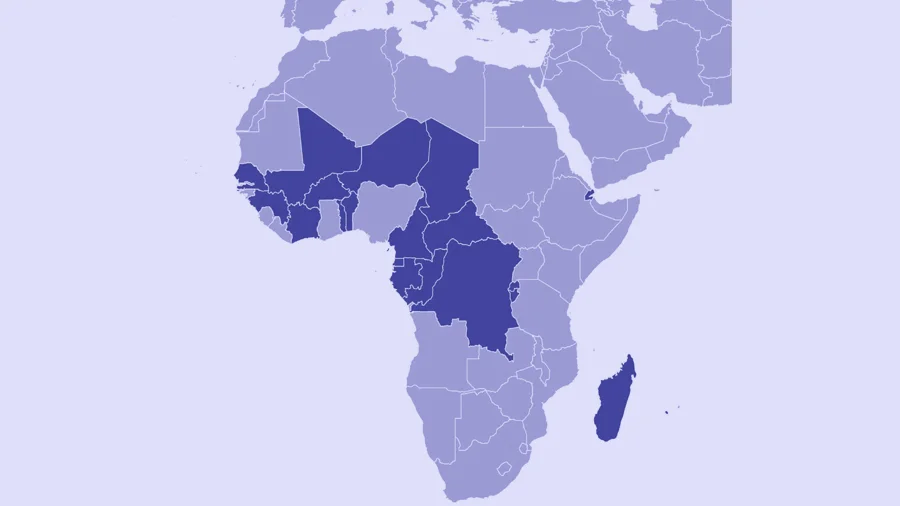
Across Francophone Africa, a new generation of entrepreneurs is emerging—driven, creative, and eager to solve local problems through technology and innovation. Yet, despite the region’s growing youth population and rising internet penetration, startups in countries like Senegal, Côte d’Ivoire, Cameroon, and Benin face a formidable obstacle: a regulatory quagmire that continues to stifle growth and innovation.
Unlike their Anglophone counterparts in Nigeria, Kenya, and Ghana—where startup ecosystems have flourished—Francophone African entrepreneurs often grapple with complex bureaucratic systems inherited from colonial-era governance models. Business registration can take months, requiring multiple layers of approval and excessive paperwork. Tax regimes are unpredictable, with startups facing unclear obligations that change from one jurisdiction to another. These inefficiencies discourage both local and foreign investors who seek regulatory clarity and consistency.
Financial regulations are another major hurdle. Many countries in the region fall under the Central Bank of West African States (BCEAO) or the Central African Banking Commission (COBAC), which enforce rigid monetary and financial rules. While intended to maintain regional stability, these frameworks often make it difficult for fintech startups to launch or scale innovative products such as mobile banking, cryptocurrency exchanges, and digital wallets.
Moreover, the lack of a unified startup policy or support infrastructure means entrepreneurs rarely receive the kind of government-backed incentives or venture capital access available in other parts of Africa. Even when young innovators manage to raise funds, restrictive foreign exchange laws and opaque import regulations can delay operations and erode competitiveness.
Despite these challenges, hope is not lost. Countries like Senegal and Côte d’Ivoire are beginning to adopt startup-friendly policies, including innovation hubs and simplified business registration processes. However, for Francophone Africa’s startup ecosystem to truly thrive, policymakers must modernize regulations, encourage private-sector partnerships, and embrace digital governance.
Until then, the region’s entrepreneurs will continue to battle not just for market share—but for the freedom to innovate within a system that too often holds them back. Francophone Africa’s potential is undeniable; what it needs now is an enabling environment to let its startups soar.
Leave a Reply