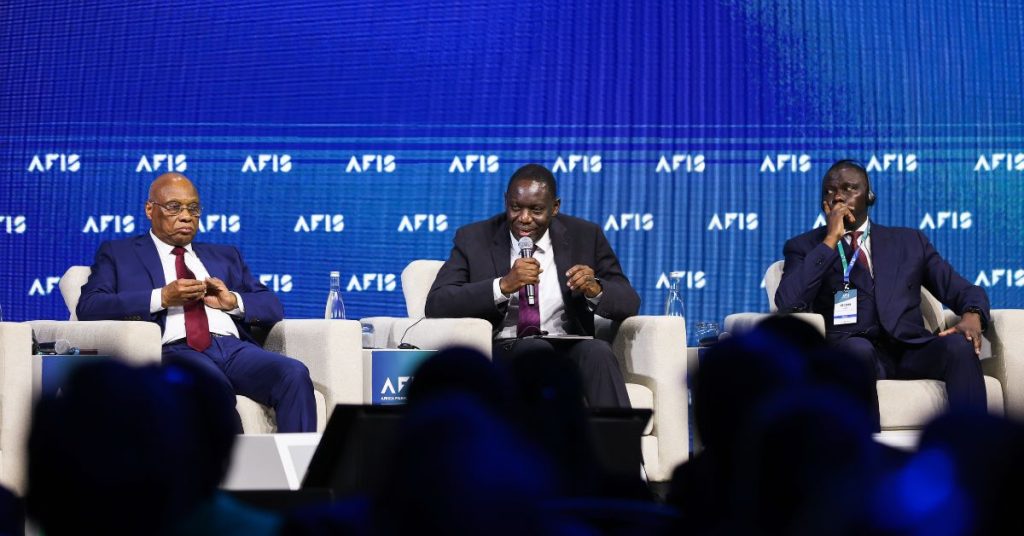
African central banks have issued a strong warning that an overreliance on short-term deposits could undermine the continent’s long-term financial stability and development. Speaking at a recent pan-African financial forum, several central bank governors emphasized that sustainable economic growth requires deeper capital markets, long-term investments, and innovative financial instruments—not just short-term liquidity.
Across Africa, commercial banks continue to depend heavily on short-term customer deposits, which are often withdrawn within months. While these deposits provide immediate funding for operations, they limit banks’ ability to finance long-term projects such as infrastructure, manufacturing, and renewable energy. Central banks argue that this short-termism restricts economic transformation by discouraging lending that supports industrialization and job creation.
Godwin Emefiele, former Governor of the Central Bank of Nigeria, previously highlighted that long-term financing is essential for driving inclusive growth. Similar sentiments were echoed by the Central Bank of Kenya and the South African Reserve Bank, both stressing the need for stronger capital markets, pension funds, and insurance sectors to mobilize patient capital.
Experts suggest that African governments and regulators must prioritize financial reforms that deepen capital markets and encourage institutional investors—such as pension funds and sovereign wealth funds—to channel resources into long-term investments. Additionally, innovative tools like infrastructure bonds, green financing, and fintech-driven savings platforms could help bridge the funding gap.
The warning also comes amid rising global interest rates and tighter liquidity conditions, which have made short-term borrowing more expensive for African economies. Without stronger domestic long-term financing mechanisms, countries may struggle to fund sustainable development projects or maintain macroeconomic stability.
Ultimately, central banks believe that building Africa’s financial future requires shifting focus from quick returns to long-term value creation. By fostering trust, expanding financial literacy, and enabling diversified investment channels, Africa can lay the foundation for a resilient and inclusive financial system capable of supporting its growing population and ambitious development goals.
Leave a Reply