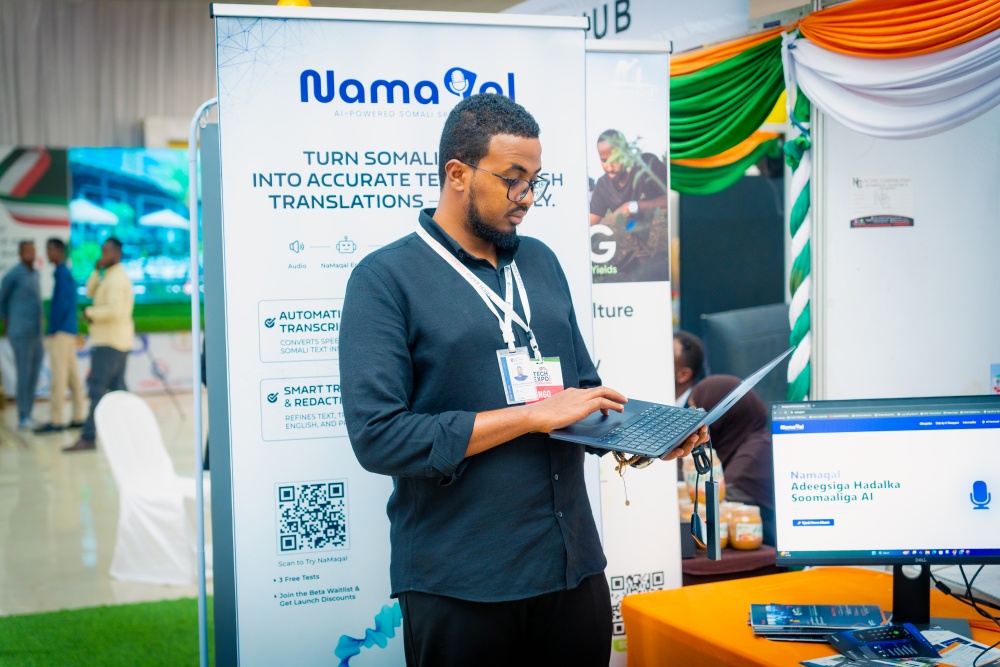
In regions affected by conflict and displacement, communication is often a major barrier for humanitarian organizations. In Somalia, where decades of conflict and limited infrastructure have disrupted education and access to information, many humanitarian groups struggle to connect effectively with local communities. A new tech startup is bridging this gap by providing innovative language solutions that help organizations understand and engage Somali-speaking populations.
The startup has developed a suite of tools powered by artificial intelligence and natural language processing that can translate, transcribe, and analyze Somali in real time. These tools go beyond basic translation; they are capable of understanding dialects, local expressions, and cultural nuances that are often lost in standard translation software. By doing so, humanitarian teams can communicate more accurately and build trust with communities who may otherwise feel misunderstood or marginalized.
One of the key features of this platform is its ability to analyze large volumes of Somali-language content from social media, community reports, and field interviews. Humanitarian organizations can quickly identify emerging issues, such as health crises, food shortages, or security threats, and respond more effectively. This data-driven approach allows aid providers to tailor their interventions to the actual needs of the population rather than relying on assumptions or incomplete information.
Moreover, the platform emphasizes accessibility. Even organizations with limited technical expertise can use the tools, as the interface is designed to be user-friendly and intuitive. Training and support are provided to ensure that teams can leverage the technology to its full potential, enhancing both operational efficiency and impact on the ground.
By harnessing the power of AI and linguistics, this startup is transforming how humanitarian organizations operate in Somalia. It demonstrates how technology can bridge cultural and linguistic divides, enabling more informed decision-making and more effective aid delivery. In a country where communication barriers have long hindered humanitarian efforts, this innovation is helping to ensure that aid reaches those who need it most—accurately, respectfully, and efficiently.
Leave a Reply