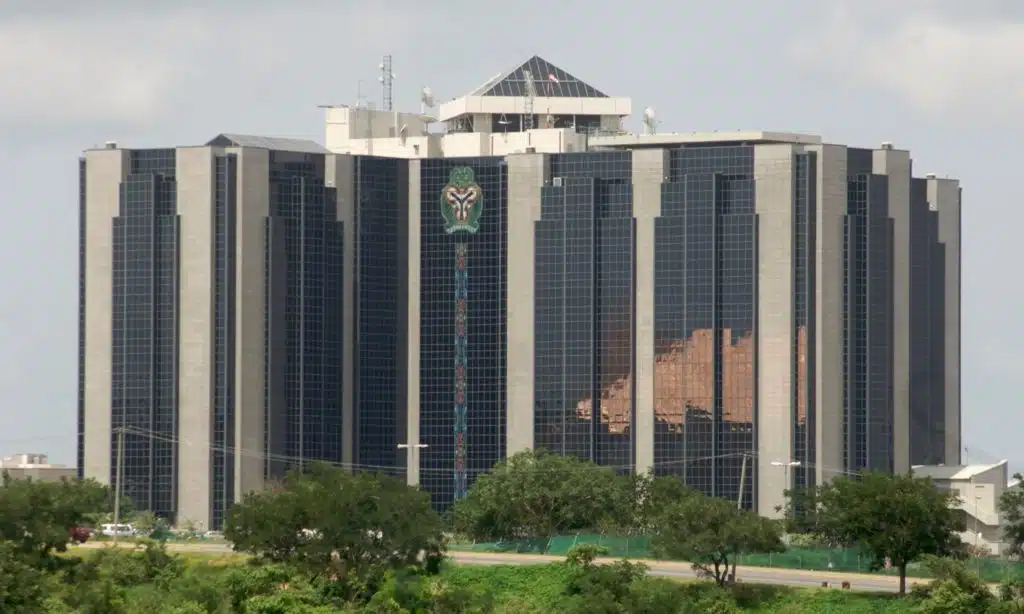
The Central Bank of Nigeria has unveiled draft guidelines designed to significantly tighten reporting requirements and consumer-protection mechanisms to fight the raising tide of push-payment fraud. The new rules release late November 2025 target what is commonly known as “push payment fraud,” where victims are manipulated or deceived into authorising trasfer to frauds. Under the draft, bank and other regulated financial institutions must establish 24\7 reporting channel including hotline, email, mobile apps, social-media support handles, USSD codes or in branch desk to allow customers to report suspected fraudlent activity at anytime.
The guidelines stipulate that customers must notify their bank within 24 hours of detecting possible fraud, though they may be granted an extra 48-hour grace period under certain conditions. Once a report is filed, the institution must acknowledge receipt within 24 hours and provide a unique reference number and a clear investigation timeline.
Further, the CBN mandates that institutions conclude their investigations within 14 working days. If the customer is found eligible under the guideline’s criteria, reimbursement must be issued within 48 hours of the decision. The draft also emphasises enhanced internal controls. Banks are required to implement approved Early Warning Systems and deploy data-analytics teams to proactively flag suspicious transactions. Should a bank fail to detect or freeze fraudulent funds, it risks bearing the full financial exposure.
The CBN describes the move as part of a broader strategy to shore up trust in Nigeria’s digital payments ecosystem which has expanded rapidly but is increasingly vulnerable to scams relying on social engineering rather than technical weaknesses.
Observers say the draft guidelines are among the most aggressive regulatory moves to protect consumers from payment related frauds in Nigeria. If adopted, they could bring the country’s approach in line with global best practises in fraud prevention and consumer protection.
Leave a Reply