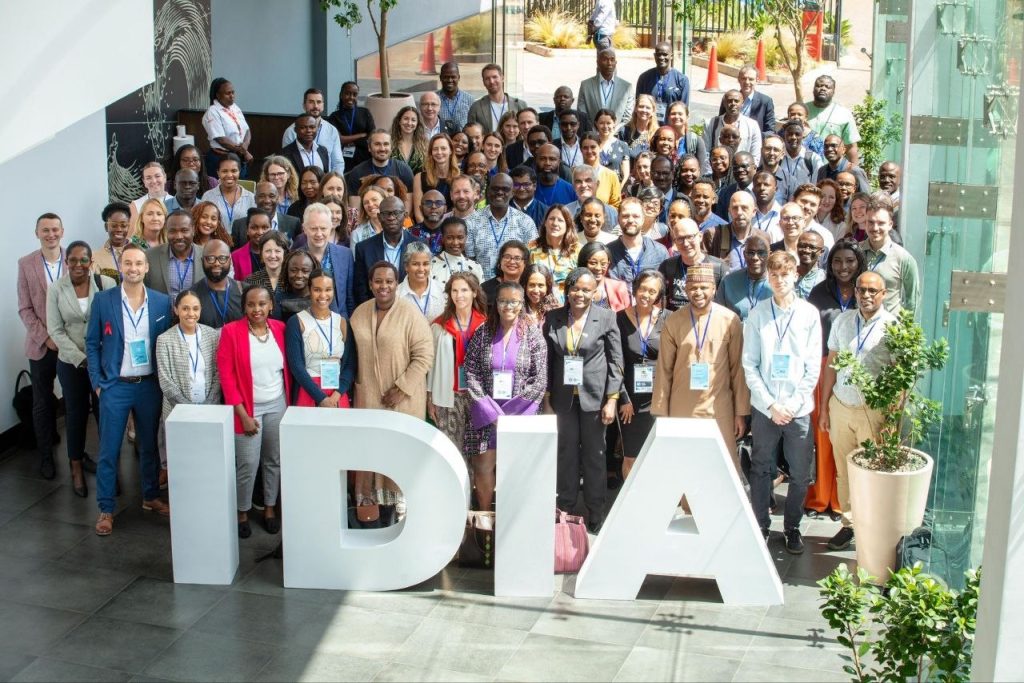
As African cities struggle to keep up with rapid urban growth and inadequate infrastructure, a new grant initiative is aiming to steer hope — and tech — toward solving some of the continent’s most pressing urban problems. The Million Lives Collective (MLC), in partnership with Judith Neilson Foundation, on December 3, 2025 launched the African Cities Innovation Fund (ACIF), offering up to US$75,000 to collaborative teams developing tech‑driven solutions for African cities.
Set to open for applications in spring of next year, the fund encourages innovators to partner — think startups, civic groups, research organisations, and local institutions — to co‑design, test and scale projects addressing urban challenges. These could be anything from improving mobility and waste management to enhancing climates resilience, public services, or equitable access to amenities.
Cities across Africa are urbanizing at a breakneck pace. Yet traditional infrastructure development — roads, sanitation, transit systems — often lags behind, constrained by budget, governance, or capacity challenges. The delay leaves gaps many residents face daily: unreliable transport, inadequate waste or water systems, lack of public safety, or poor climate adaptation. In that context, ACIF’s emphasis on nimble, tech‑enabled solutions aims to fill immediate needs while offering long‑term scalability and local ownership.
What makes ACIF stand out is its insistence on collaboration and context-aware innovation: not isolated tech experiments, but grounded projects that involve communities and local stakeholders from the start. As one early participant from Kenya described: such funding gives “scale‑ready innovators the runway to de-risk expansion into new cities, combine complementary strengths, and sustain quality as they grow across diverse African contexts. The hope: with modest seed funding and smart partnerships, ACIF can seed replicable, scalable models that address urban pain‑points — from mobility to sanitation, climate resilience to public services — without waiting for large-scale public infrastructure projects that can take years or decades.
If successful, this fund could help shift how African cities evolve: not just through mega‑construction or donor‑driven infrastructure, but through grassroots, tech‑driven solutions tailored to local needs — acting fast, scaling smart, and reshaping urban life for millions.
Leave a Reply