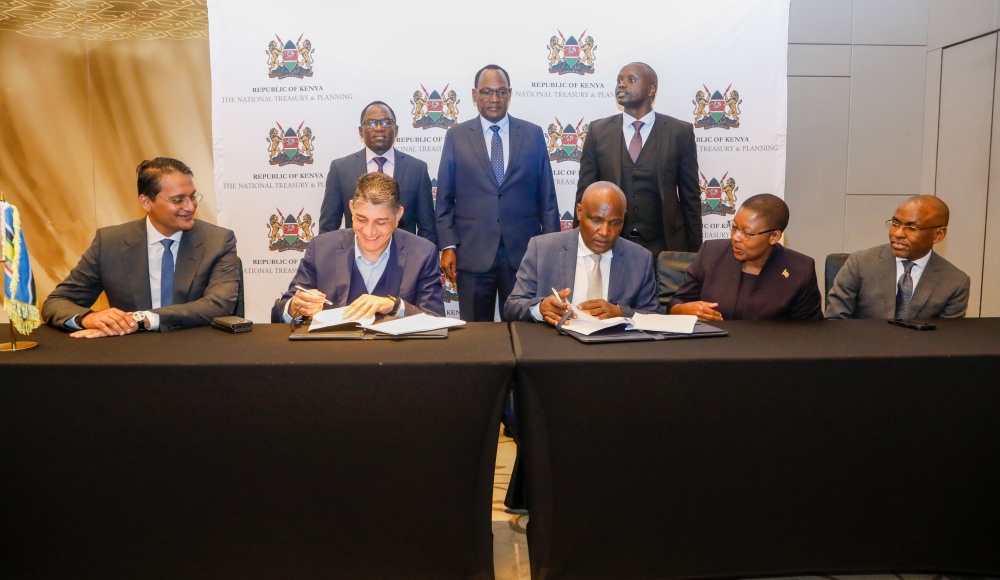
Kenya has decided to exclude retail investors from participating in the country’s largest-ever share sale of Safaricom, raising questions about accessibility and the government’s approach to public investment. The move, announced ahead of the initial public offering (IPO), has sparked debate among market watchers, potential small investors, and industry analysts.
The sale, which involves the government offloading a significant portion of its stake in Safaricom, is expected to raise billions of shillings. However, authorities have limited participation to institutional investors, such as pension funds, insurance companies, and other large-scale financial entities. The government cited logistical and operational reasons for the exclusion, emphasizing the complexity of handling millions of small-scale subscriptions from individual retail investors.
For retail investors, this decision is a disappointment. Safaricom, being Kenya’s leading telecommunications company, has historically attracted widespread interest from ordinary Kenyans. Many saw the share sale as a rare opportunity to directly own a piece of a household name and benefit from its long-term growth. With retail participation barred, small investors are now left relying on institutional allocations or secondary market purchases, which may be less accessible and more costly.
Market analysts suggest that while the exclusion may streamline the process and ensure smooth allocation for large investors, it risks limiting the broad-based public engagement that could have strengthened financial inclusion. Retail investors are often motivated by both financial returns and the sense of ownership in national assets, and restricting access may reduce public enthusiasm for such initiatives in the future.
The government, however, insists that the focus on institutional investors is aimed at achieving efficiency, transparency, and a successful capital raise. It also argues that mechanisms exist for retail investors to gain exposure indirectly, such as through mutual funds or investment products managed by licensed institutions participating in the sale.
This decision comes amid a backdrop of increasing scrutiny of large-scale public offerings in Africa, where balancing the interests of retail and institutional investors remains a challenge. For now, Kenya’s Safaricom sale will proceed without direct retail participation, underscoring the tension between operational efficiency and public inclusivity in major financial transactions.
As the sale progresses, market observers will be watching closely to see how the approach affects investor sentiment, overall subscription levels, and Safaricom’s valuation, as well as whether future initiatives will offer more opportunities for everyday Kenyans to participate in national wealth creation.
Leave a Reply