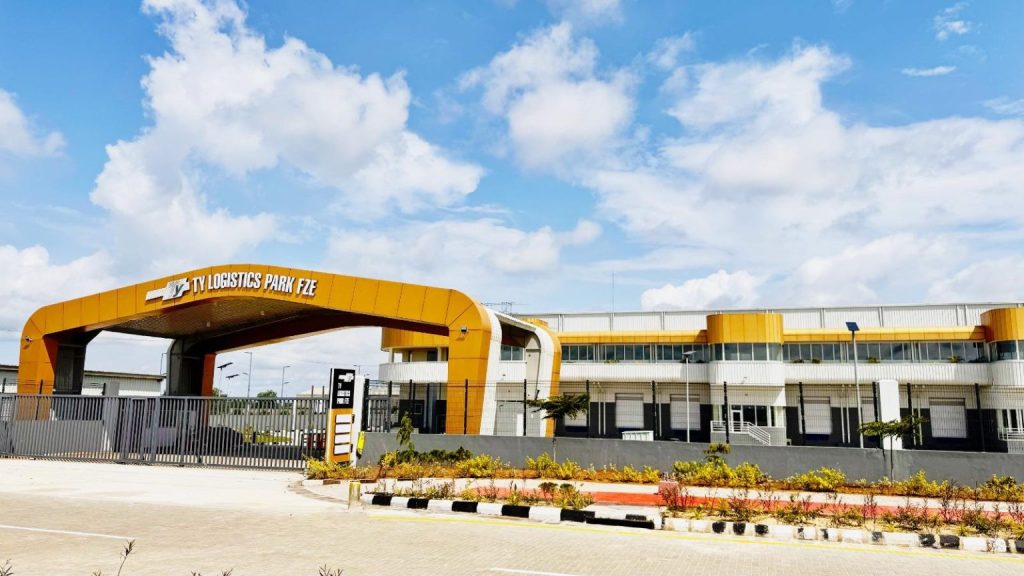
Nigeria’s trade and logistics sector is poised for a significant transformation with the launch of a new logistics hub designed to dramatically reduce port clearance times. The facility, developed by a consortium of private sector investors and logistics experts, promises to cut the current port processing timelines by up to 70%, addressing one of the most persistent bottlenecks in Nigeria’s import and export ecosystem.
Port congestion has long plagued Nigeria’s supply chain, causing delays, escalating costs, and hampering trade competitiveness. Traders and importers frequently report waiting several days—or even weeks—for goods to clear customs, resulting in higher demurrage fees, inventory costs, and missed business opportunities. The new logistics hub seeks to address these challenges through a combination of technology-driven solutions, streamlined processes, and centralized coordination.
At the heart of the hub is an integrated digital platform that connects customs authorities, freight forwarders, shipping lines, and port operators in real time. This system allows for pre-clearance of documentation, automated tracking of cargo, and instant verification of compliance requirements, eliminating many of the manual bottlenecks that have traditionally slowed down port operations. Additionally, the hub offers modern warehousing facilities, cargo consolidation services, and specialized inspection units to accelerate physical handling of goods.
According to project developers, the hub is expected to serve as a model for public-private collaboration in Nigeria’s logistics sector. By bringing stakeholders onto a single platform and standardizing operational procedures, the initiative aims to foster efficiency, transparency, and accountability across the port clearance process.
Industry experts believe that faster port clearance will have a ripple effect on the wider economy. Businesses can reduce operating costs, improve cash flow, and expand trade volumes, while the government benefits from higher compliance rates and increased revenue from customs duties. The hub also promises to create new employment opportunities in logistics, IT, and operations management.
The project is part of a broader effort to modernize Nigeria’s trade infrastructure and align the country with global best practices in port and supply chain management. Once fully operational, the logistics hub is expected to position Nigeria as a more attractive destination for international trade and investment, while offering local businesses a critical tool to compete in an increasingly fast-paced global market.
If successful, the hub could serve as a blueprint for similar initiatives across Africa, demonstrating how technology and strategic planning can revolutionize port operations and unlock economic growth.
Leave a Reply