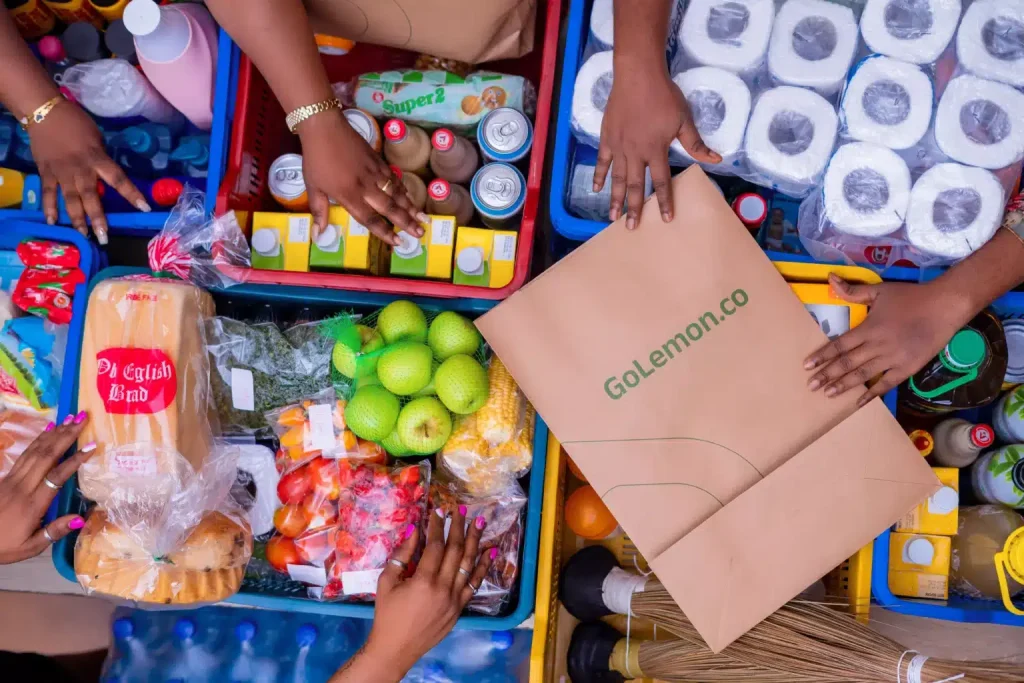
GoLemon’s recent deal involving Chowdeck has sparked conversation across Nigeria’s food delivery and logistics ecosystem. On the surface, the partnership appears strategic: combining GoLemon’s logistics ambitions with Chowdeck’s fast-growing food delivery brand could unlock scale, efficiency, and wider market reach. However, beneath the optimism lie several risks that could cause the deal to backfire faster than expected.
First, overlapping operational models present a major challenge. Chowdeck has spent years refining a tightly controlled delivery experience built around speed, reliability, and strong merchant relationships. GoLemon, on the other hand, operates with a broader logistics mindset that prioritizes scale and cost optimization. Aligning these two philosophies may prove difficult. Any disruption to Chowdeck’s delivery quality—slower delivery times, inconsistent rider availability, or reduced customer support—could quickly erode user trust in a highly competitive market where switching costs are low.
Second, brand dilution is a real threat. Chowdeck’s appeal lies in its clear positioning as a fast, urban-focused food delivery platform. If customers begin to associate the brand with broader logistics services or notice visible changes driven by GoLemon’s influence, the simplicity of Chowdeck’s value proposition could be lost. In Nigeria’s crowded delivery space, clarity matters. Confusing brand signals often translate into customer churn.
Another concern is merchant and rider sentiment. Restaurants and delivery riders are extremely sensitive to changes in commission structures, payouts, and incentives. If the deal leads to cost-cutting measures—such as higher commissions for restaurants or lower earnings for riders—pushback could be swift. We have seen similar outcomes in Africa’s tech ecosystem, where platform adjustments triggered boycotts, rider strikes, or mass merchant exits.
Financial pressure also looms large. Food delivery remains a low-margin, cash-intensive business. If GoLemon overestimates the short-term synergies or underestimates the cost of maintaining Chowdeck’s growth trajectory, the partnership could strain both companies’ balance sheets. Chasing aggressive expansion without sustainable unit economics may force unpopular decisions that damage long-term viability.
Finally, execution risk cannot be ignored. Integrations—whether operational, technological, or cultural—often take longer and cost more than planned. In a fast-moving market, delays can be fatal. Competitors will not wait for GoLemon and Chowdeck to “figure things out.”
In the end, the deal’s success hinges on disciplined execution, respect for Chowdeck’s brand DNA, and careful handling of stakeholders. Without these, what looks like a smart strategic move today could quickly become a cautionary tale tomorrow.
Leave a Reply