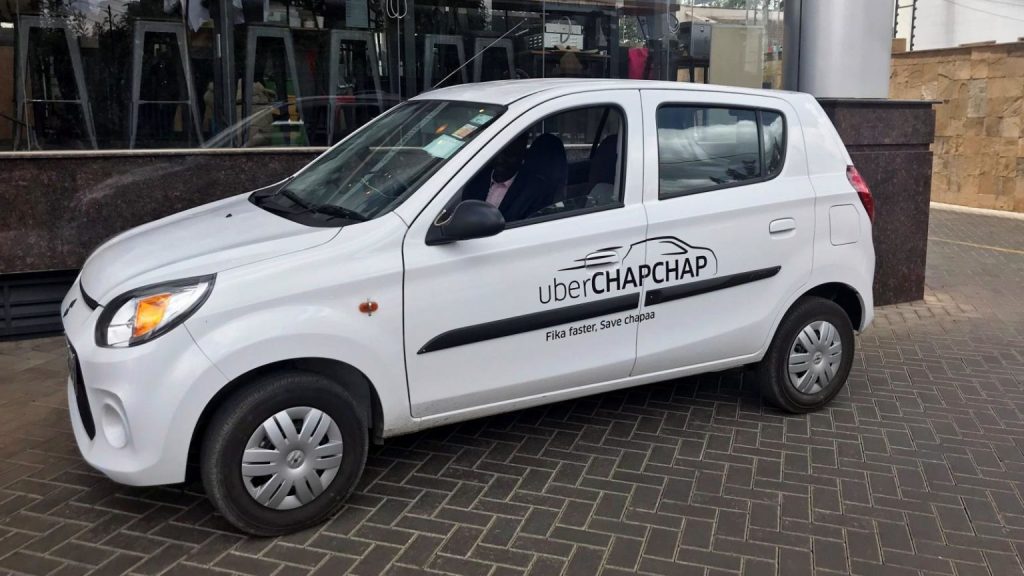
Uber, the global ride-hailing giant, has reportedly stopped accepting Visa cards in Kenya due to rising payment processing costs, highlighting the challenges international payment networks face in the African market. The move comes as businesses increasingly evaluate the sustainability of transaction fees amid tight margins and growing competition in the ride-hailing space.
According to industry insiders, Visa’s fees on card transactions in Kenya have steadily increased, making it more expensive for both Uber and its riders. For a platform like Uber, which operates on relatively thin margins in emerging markets, the cumulative cost of processing payments via Visa became economically unviable. By dropping Visa, Uber is seeking to optimize payment channels, reduce operational costs, and potentially pass savings onto customers.
The decision underscores a broader trend in Africa’s digital economy: rising friction between global payment networks and local businesses. Many fintech firms and online platforms in Kenya have increasingly favored mobile money services, such as M-Pesa, Airtel Money, and other digital wallets, which offer lower transaction costs and faster settlement times compared to traditional card networks. Mobile money adoption in Kenya is exceptionally high, with millions of users relying on it for everyday transactions, making it a practical alternative for platforms like Uber.
For consumers, the change may require adjustments in payment habits. Riders who prefer using Visa cards will now need to switch to alternative payment methods supported by Uber, such as mobile wallets or other card networks. While some may find the transition inconvenient, others may benefit from the lower transaction fees that Uber could pass on through this move.
Uber’s decision also raises questions about the long-term role of international card networks in African markets. While Visa and Mastercard remain dominant for international transactions, local solutions increasingly outperform them in cost-effectiveness and accessibility. This could encourage more businesses to prioritize partnerships with mobile money providers and fintech startups over traditional banking networks.
As of early 2026, Uber has not indicated whether the move is permanent, but the shift highlights a growing tension in Africa’s payments landscape—balancing global standards with local market realities. For now, mobile money continues to cement its position as the backbone of digital payments in Kenya, reshaping how businesses like Uber operate.
Leave a Reply