A quiet recalibration is underway in how global powers engage with Africa’s economic future. At a moment when supply chains are being rethought and digital trade is reshaping commerce, Washington is signaling renewed interest in Africa as a strategic partner rather than a peripheral market. The latest move from the US Congress suggests that trade policy is once again being positioned as a tool for influence, growth, and long-term alignment.
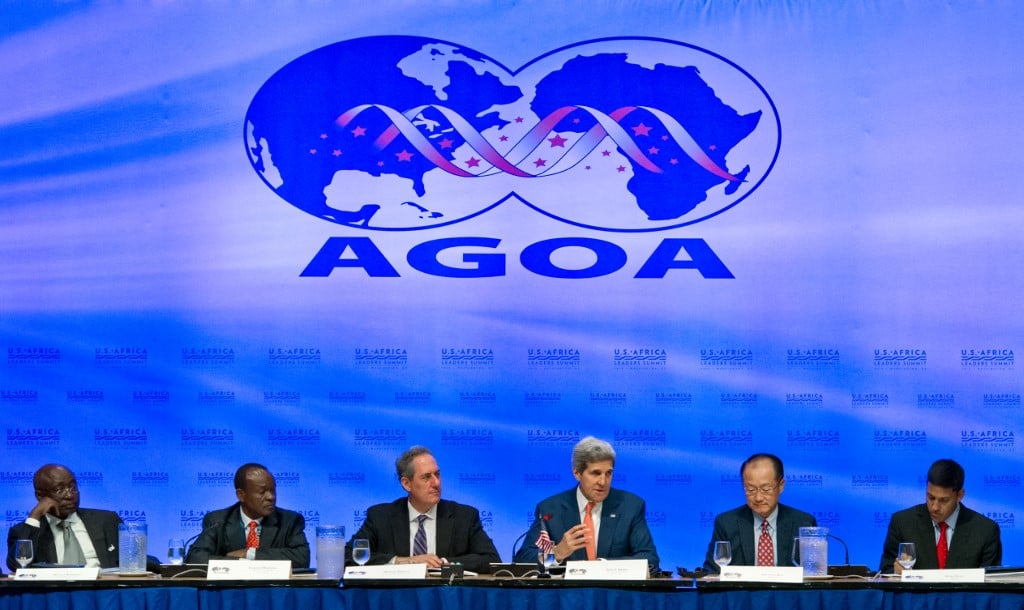
US Representatives have voted in favor of bringing back the African Growth and Opportunity Act, a trade framework that grants eligible African countries preferential access to the US market. The vote revives momentum around a policy many African economies have relied on to expand exports, attract investment, and integrate into global value chains. While the decision still faces further legislative steps, it marks a clear political signal that AGOA remains relevant in today’s economic landscape.
Beneath the vote lies a shifting global context. As the US competes with China and the European Union for economic influence in Africa, trade incentives are becoming as important as aid or diplomacy. The revival of AGOA reflects recognition that market access, manufacturing partnerships, and industrial capacity are central to sustainable development. It also aligns with a broader push to diversify supply chains away from overdependence on single regions.
For Africa’s tech and innovation ecosystem, the implications extend beyond traditional exports. AGOA’s return could strengthen hardware manufacturing, agritech exports, and digitally enabled services that rely on cross-border trade. Tech-enabled SMEs, logistics platforms, and export-focused startups stand to benefit from improved access to the US market, particularly as digital tools lower barriers to international commerce. The move also reinforces the case for stronger digital trade policies and infrastructure across the continent.
The end result of vote may take a drastic effect how African governments and businesses position themselves in the coming years. A revived AGOA could encourage renewed investment, policy reforms, and export-led innovation, especially if aligned with Africa’s own digital and industrial ambitions. What appears to be a legislative decision today may ultimately influence how Africa plugs into the next phase of global trade, where technology, data, and production capacity converge.
Leave a Reply