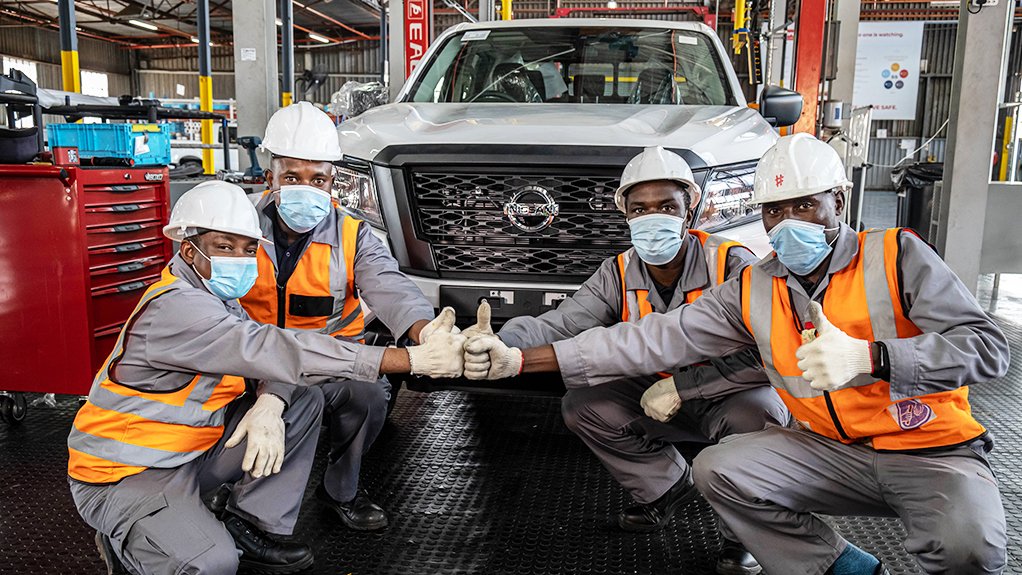
Chery South Africa has agreed to acquire Nissan’s Rosslyn manufacturing facility near Pretoria, a move set to reshape the automotive landscape in the country. The deal covers the purchase of the land, buildings, and related assets, including the adjacent stamping plant, with completion expected by mid-2026 once regulatory approvals are secured. As part of the agreement, the majority of Nissan’s workforce at the site will be offered employment by Chery on terms similar to their current contracts, helping to preserve jobs and maintain continuity at the facility. The acquisition marks a significant expansion in Chery’s footprint and a new chapter for a plant that has operated for nearly six decades under Nissan ownership.
The primary driver behind the sale is a mix of market realities and corporate strategy. Nissan has struggled to maintain viability at Rosslyn, particularly after production of key models like the NP200 ceased and vehicle volumes remained low compared with competitors. Broader restructuring under Nissan’s global recovery plan also put pressure on under-utilised plants worldwide, making the South African facility a candidate for divestment. Meanwhile, Chery has been growing its share of South Africa’s new vehicle market, outpacing Nissan in recent sales figures and signalling strong local demand for its models. Acquiring an existing manufacturing site gives the Chinese brand a faster, more cost-effective route to local production than building a plant from scratch.
The immediate effects are striking. For Nissan, the sale ends local manufacturing after nearly 60 years, shifting the company’s role in South Africa to one focused on sales and distribution rather than assembly. Nissan plans to continue offering its vehicles and services, with several new models scheduled to launch in 2026, but these will be imported rather than built locally. For Chery, the transition opens the door to establishing full vehicle production in the country, potentially producing a mix of existing and new models for both the domestic market and export.
In the longer term, the acquisition could accelerate the rise of Chinese automotive brands in South Africa. By turning a once struggling facility into an active manufacturing hub, Chery not only secures the plant’s future but also strengthens its competitive position against long-established Japanese, German, and American automakers. Local production can reduce costs, improve supply chain responsiveness, and appeal to buyers looking for vehicles with regional build credentials. For the broader industry, the deal highlights shifting market dynamics where nimble, cost-focused players are gaining ground and traditional manufacturers are reassessing how and where they build vehicles.
While Nissan’s departure from local manufacturing marks the end of an era, Chery’s acquisition of the Rosslyn plant brings renewed life to the site and signals a new phase of automotive investment in South Africa. The story reflects not just individual corporate decisions but wider trends in global manufacturing, regional market competition, and the evolving shape of the automotive sector in Africa.
Leave a Reply