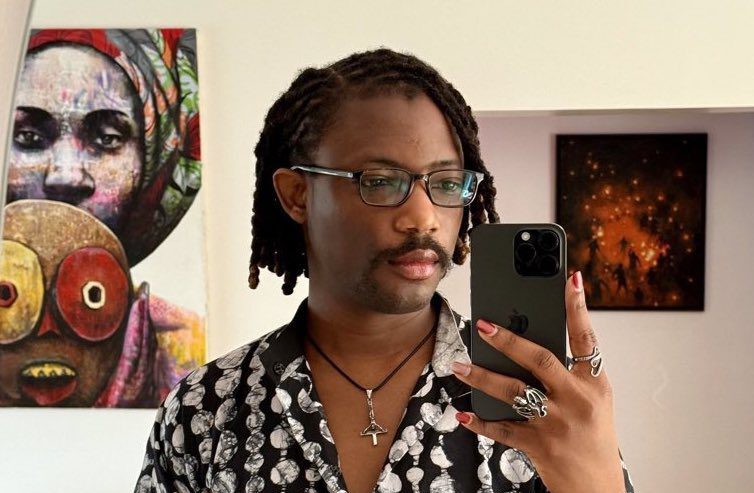
A dispute has emerged between Paystack co-founder Ezra Olubi and a Nigerian journalist over a series of tweets Olubi allegedly posted, which the journalist claims are defamatory. The clash has drawn significant attention in Nigeria’s tech and media circles, highlighting ongoing tensions between public figures and the press in the social media era.
According to reports, the disagreement began when the journalist accused Olubi of posting content that misrepresented facts about them and potentially harmed their professional reputation. The journalist stated that the tweets in question contained allegations and insinuations that were misleading and damaging, prompting a call for a public clarification or retraction.
Ezra Olubi, who co-founded Paystack, one of Nigeria’s leading fintech companies acquired by Stripe in 2020, responded by defending his posts, arguing that they were intended to express personal opinions and did not meet the legal threshold for defamation. Olubi emphasized that social media platforms are spaces for public discourse, but acknowledged that misunderstandings can arise, particularly when issues involve sensitive professional matters.
Legal experts observing the situation note that defamation claims in Nigeria hinge on whether statements are false, injurious, and published without lawful justification. While social media posts are increasingly subject to scrutiny under defamation laws, courts often balance free expression against reputational harm, making such cases complex and context-dependent.
The dispute has sparked broader discussions about accountability on social media, especially for high-profile individuals. Public figures like Olubi are often under heightened scrutiny, and their statements can quickly reach wide audiences. Meanwhile, journalists and media professionals emphasize the importance of protecting personal and professional reputations in an environment where misinformation or misinterpretation spreads rapidly.
Industry observers note that the clash also reflects larger dynamics in Nigeria’s tech ecosystem, where social media interactions between tech founders, journalists, and the public are frequent and can escalate quickly. Both parties have called for calm and professionalism, while some commentators suggest mediation or legal resolution as the most constructive path forward.
As the situation develops, it underscores the delicate balance between freedom of expression, responsible communication, and reputational protection in Nigeria’s increasingly digital public sphere. How the matter is resolved may influence both social media behavior and the relationship between tech leaders and the media in the country.
Leave a Reply