Mozambique’s telecommunications infrastructure has suffered significant disruption amid what authorities describe as exceptional flooding during the 2025–2026 rainy and cyclonic season, with widespread impacts on connectivity that are complicating disaster response and everyday communications across the southern African nation. The Communications Regulatory Authority (INCM) confirmed that hundreds of telecommunication base stations have gone offline as floodwaters and associated damage to power and transmission networks have crippled conventional infrastructure, affecting major operators including TMCEL, Vodacom and Movitel. The disruptions highlight the acute vulnerability of Mozambique’s telecom networks during extreme weather events, an enduring challenge in a country repeatedly buffeted by cyclones and heavy seasonal rains.
Flooding across key provinces such as Gaza and Maputo has led to widespread outages of mobile and fixed-line services, as fiber optic links are damaged and electricity supplies falter under the strain of inundated substations and cut transmission routes. With more than 269 base stations reported out of service nationwide, many communities are effectively cut off from traditional voice and data services at a time when communication is most critical for coordinating rescue and relief efforts.
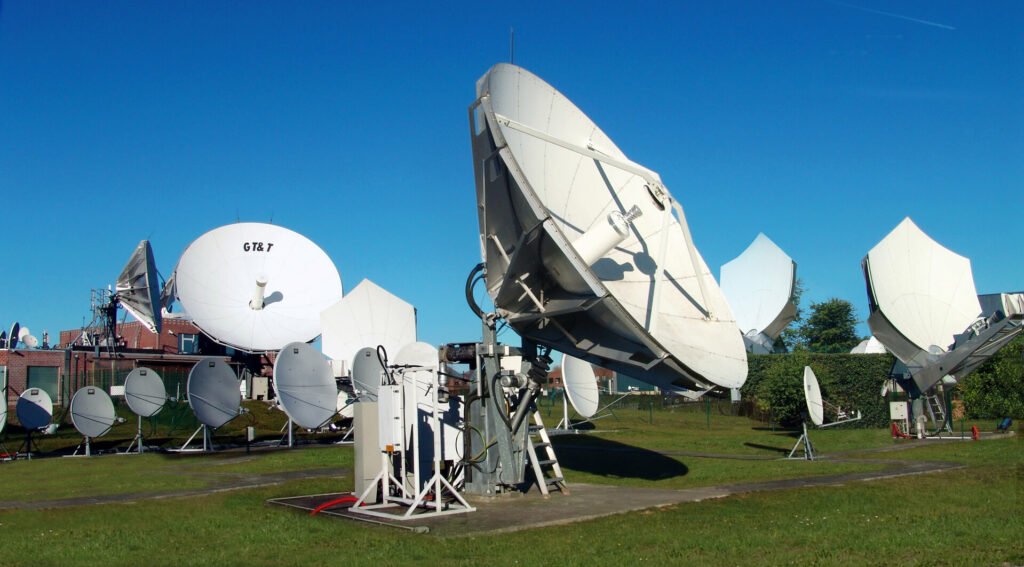
In response to the telecommunications breakdown, INCM and partner agencies deployed emergency satellite communication links intended to sustain essential communication channels for institutional coordination and humanitarian operations. These measures included the installation of satellite terminals at emergency operation centers and National Institute for Disaster Risk Reduction and Management (INGD) delegations, along with the distribution of satellite phones to support rescue and coordination teams working in the hardest-hit areas. Free voice and data packages were also arranged with mobile operators to help affected subscribers maintain basic communications despite the disruption.
However, reports indicate that these emergency satellite solutions have themselves faced challenges, with some links destroyed or rendered less effective in the harsh conditions brought on by the floods. Loss of backup connectivity exacerbates the communications crisis at a moment when reliable information exchange is critical for emergency response, relief distribution and tracking impacted populations. The situation underscores not only the immediate physical impacts of flooding on ground-based telecom infrastructure, but also the difficulties in sustaining resilient backup systems in extreme environmental conditions.
Mozambique’s government and international partners continue to appeal for urgent humanitarian support as the scale of the floods becomes clearer, impacting hundreds of thousands of people and destroying essential infrastructure beyond telecommunications, including roads, homes and public services. As agencies work to restore connectivity and rebuild more resilient networks, the crisis highlights the growing importance of climate-adaptive infrastructure planning in a country repeatedly exposed to severe weather that threatens both lives and economic stability.
Leave a Reply