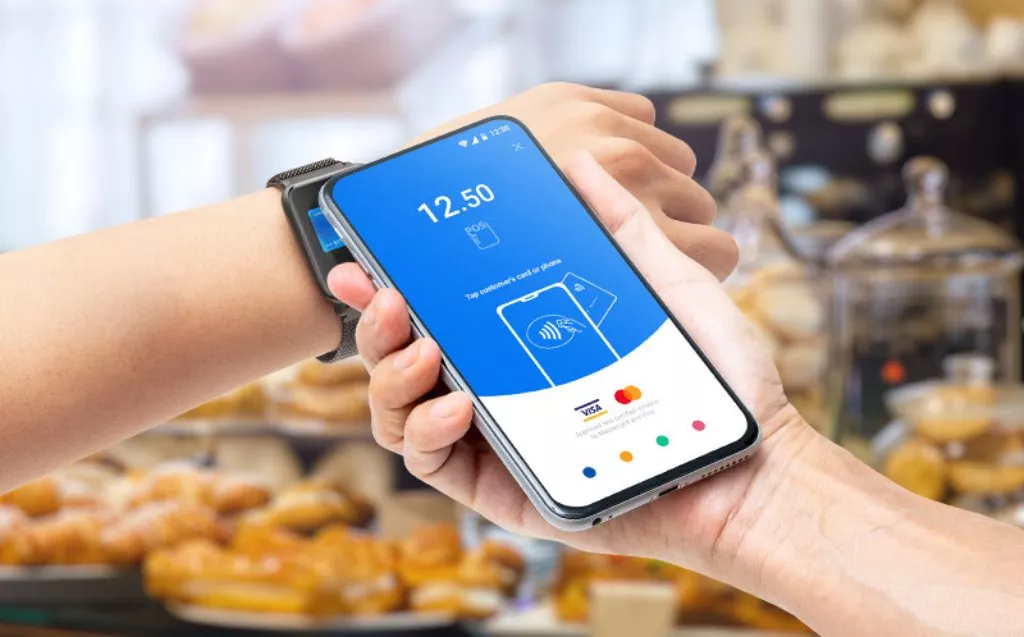
Egypt is quietly changing how payments work at the last mile. With a new rollout from the Central Bank of Egypt, smartphones and tablets can now function as point-of-sale terminals, allowing merchants to accept contactless card payments without buying traditional POS machines. It’s a simple shift on the surface, but one that could have outsized impact on how money moves across the country.
At the heart of the initiative is Soft POS technology. Instead of installing bulky hardware, merchants can download an app on an NFC-enabled device and start accepting payments almost immediately. Customers tap their cards or phones, enter their PINs on the screen, and the transaction goes through securely. For small shops, kiosks, and informal traders, this removes one of the biggest barriers to going cashless: cost.
The motivation is clear. Cash still dominates everyday transactions in Egypt, especially among small and informal businesses where POS machines are either too expensive or too much hassle to maintain. By turning devices people already own into payment terminals, the central bank is lowering the entry point into the digital payments ecosystem and nudging more merchants into formal financial channels.
The knock-on effects could be significant. Merchants get faster onboarding, lower operating costs, and access to customers who increasingly prefer cards and wallets. Consumers get more places to pay digitally, even in neighbourhoods where cash has always been king. Over time, more digital transactions also mean better data trails, which can unlock access to credit and tailored financial products for small businesses.
Zooming out, this move fits neatly into Egypt’s broader push toward a less-cash economy and stronger financial inclusion. Phones becoming POS terminals may not grab headlines like flashy fintech launches, but they quietly modernise the plumbing of commerce. And in a market as large and diverse as Egypt, small infrastructure decisions like this often end up changing behaviour at scale.
Leave a Reply