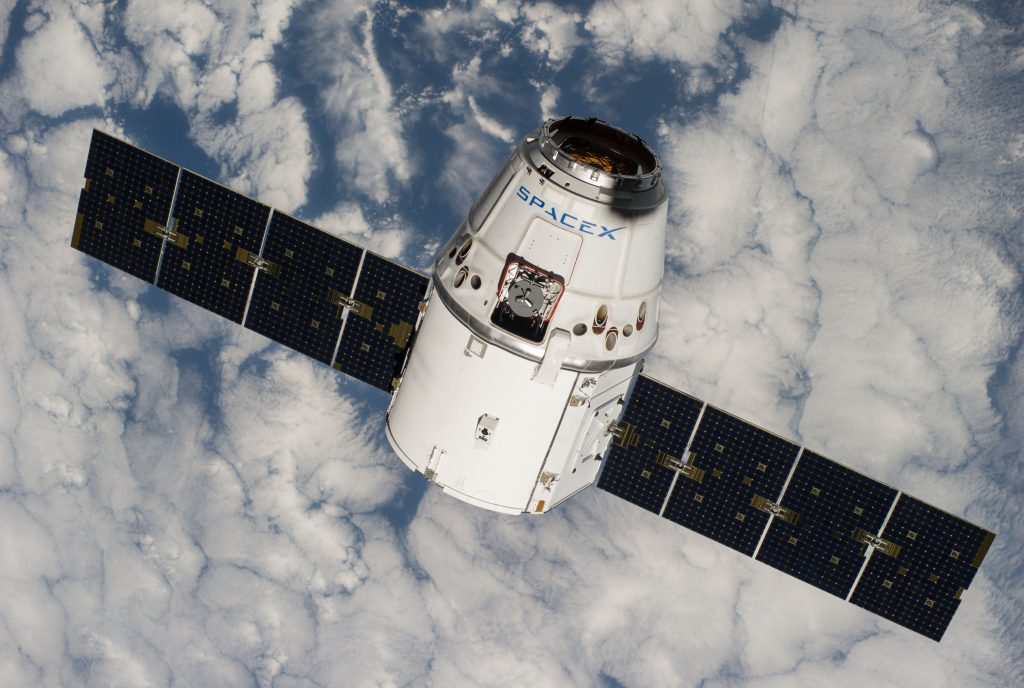
Senegal has joined the growing list of African countries now served by Starlink, the satellite internet network operated by SpaceX. In early February 2026, SpaceX CEO Elon Musk confirmed on X that Starlink’s high‑speed, low‑latency internet service is now officially available nationwide in Senegal, marking another milestone in the company’s rapid continental expansion.
The launch comes at a time when reliable internet access remains a critical challenge in many parts of Senegal. Despite significant mobile penetration, official figures show that nearly a quarter of localities lacked network coverage in 2025, leaving rural communities cut off from digital opportunities. Starlink’s entry is designed to address these gaps by delivering broadband via a constellation of low Earth orbit satellites, which can reach remote and underserved areas that traditional ground‑based networks cannot easily connect.
The availability of Starlink services in Senegal has immediate and practical effects for users. Subscribers can now order Starlink equipment and choose from monthly plans priced at around 22,000 to 30,000 CFA francs, with hardware options priced separately. The service offers download speeds of up to approximately 305 Mbps and upload speeds as high as 40 Mbps — speeds that can rival or exceed those of traditional terrestrial internet providers.
For households, students, and businesses, the improved connectivity could mean more consistent access to online education, remote work opportunities, e‑commerce platforms, and digital government services. In rural communities where mobile networks are weak or unavailable, Starlink’s satellite technology stands to unlock new economic activity and social engagement by bringing reliable internet to places previously cut off from the digital economy.
The broader cause of Starlink’s expansion into Senegal reflects global trends in satellite broadband deployment. With connectivity increasingly recognized as an essential service, satellite alternatives have gained traction — especially in regions where building fiber or terrestrial infrastructure is slow, costly, or logistically difficult. SpaceX’s strategy in Africa has been to roll out services country by country, and Senegal represents the company’s 26th African market to go live.
Looking ahead, the effects of Starlink’s presence in Senegal could reshape the internet landscape in West Africa. By offering an alternative to traditional internet service providers, Starlink introduces competition that could drive improvements in speed, reliability, and pricing across the market. It also complements national efforts to expand digital inclusion, as officials have highlighted the role of connectivity in education, entrepreneurship, and civic participation.
While questions about affordability and data sovereignty remain topics for public discussion, Starlink’s entry signals a new chapter for connectivity in Senegal, bridging digital divides and paving the way for expanded access to global digital opportunities.
Leave a Reply