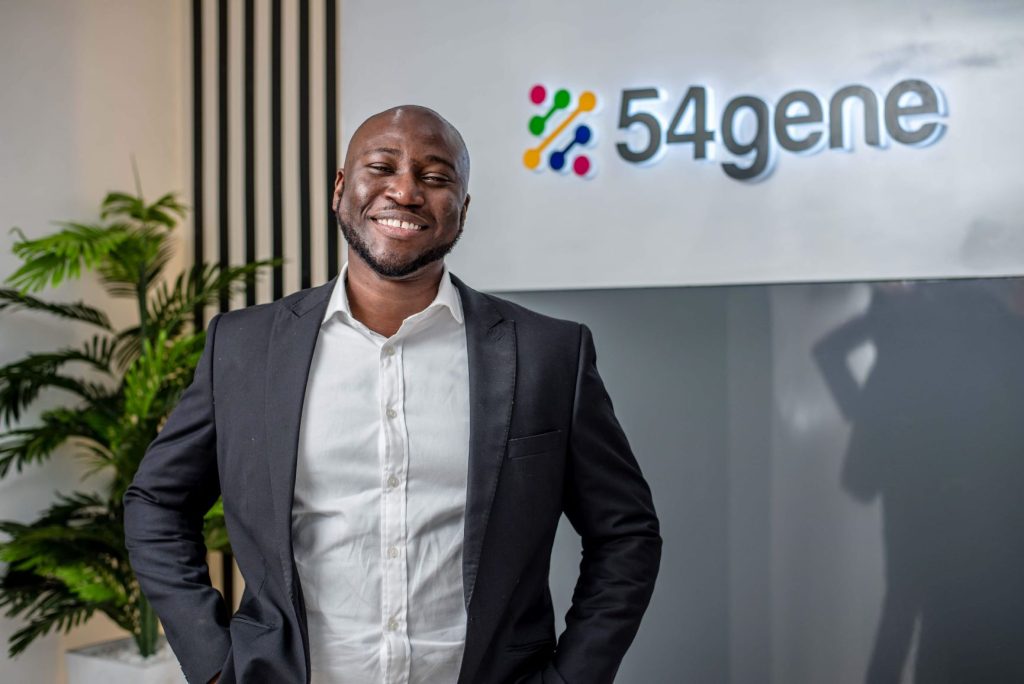
Africa’s startup ecosystem has produced some of the continent’s most ambitious technology ventures, particularly in health and biotechnology. Among them, 54gene once stood out as a symbol of scientific promise and global investor confidence. Founded in 2019, the Nigerian genomics startup set out to build one of the world’s largest biobanks of African DNA, aiming to close the massive data gap in global medical research.
At its core, 54gene addressed a real and urgent problem. Less than three percent of global genomic data came from African populations, despite the continent holding the most genetically diverse populations in the world. By building genomic infrastructure in Nigeria and partnering with hospitals to collect and analyse samples, the company positioned itself at the intersection of biotech innovation and African health equity. Global investors responded quickly. Within two years, the startup had raised tens of millions of dollars from international venture capital firms, signalling strong belief in both its mission and its commercial potential.
However, rapid fundraising and bold vision do not always guarantee structural stability. As 54gene expanded, it moved beyond research partnerships into diagnostics, COVID-19 testing, and broader laboratory services. While these expansions appeared strategic during the pandemic, they stretched operational focus and increased burn rate. The company hired aggressively, expanded facilities, and built complex infrastructure in a market still developing regulatory clarity and healthcare purchasing power.
When global venture funding tightened in 2022 and 2023, the environment changed dramatically. Investors shifted from growth-at-all-costs to profitability and operational discipline. For 54gene, the capital-intensive nature of genomics research meant long timelines before revenue maturity. Layoffs followed, leadership restructuring occurred, and eventually, the company entered liquidation proceedings. What once symbolised Africa’s biotech leap forward became a cautionary tale about scaling science startups in emerging markets without sufficient runway for long-term sustainability.
The failure of 54gene does not invalidate its mission. In fact, the need for African genomic data remains critical for global medicine. What the case illustrates instead is the complexity of building deep-tech infrastructure in markets where funding cycles can shift abruptly. Scientific ventures require patient capital, clear monetisation pathways, and disciplined expansion strategies. Expanding too quickly into adjacent services without stable recurring revenue can expose startups to volatility when funding climates tighten.
There is also a broader ecosystem lesson. African startups often operate within infrastructure gaps that demand building multiple layers simultaneously: logistics, compliance, talent development, and market education. While this creates opportunity, it also multiplies operational risk. Without careful prioritisation, ambitious vision can outpace structural capacity.
For students of technology and entrepreneurship, the story of 54gene underscores an essential principle. Innovation alone is insufficient. Capital efficiency, governance discipline, and phased growth strategies are equally critical. Particularly in sectors such as biotechnology, where research timelines are long and costs are high, financial planning must align with realistic revenue horizons.
Africa’s startup ecosystem continues to mature, and failures are part of that evolution. The rise and fall of 54gene offers insight not into what should not be attempted, but into how deeply ambitious ventures must be structured. Vision can open doors, but sustainability determines whether those doors remain open.
Leave a Reply