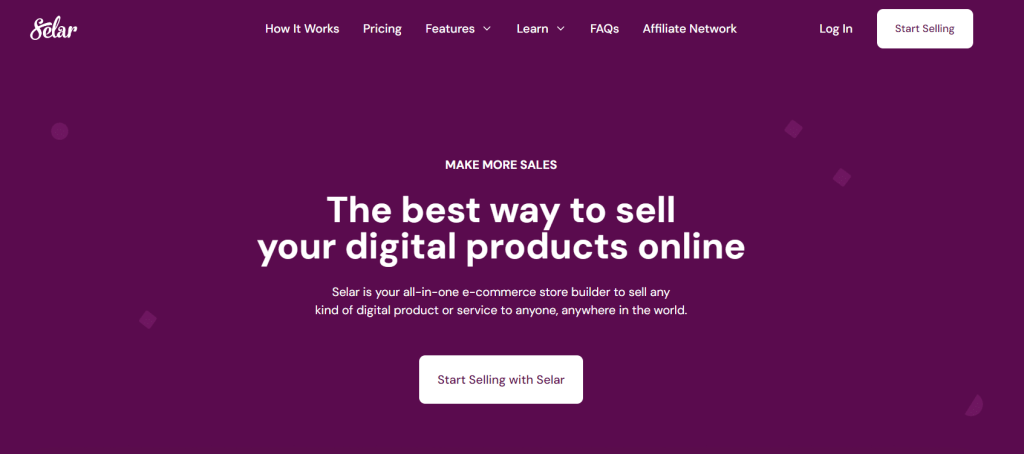
In 2025, Nigerian e‑commerce startup Selar hit a milestone that captures where Africa’s creator economy is headed: it paid out over ₦18 billion (~$12.8 million) to creators across the continent, nearly doubling its 2024 numbers. What would be a modest headline elsewhere is noteworthy here — because this traction emerged from a decade of building with minimal external fanfare.
Selar began in 2016 as a simple tool to let individuals sell digital products — ebooks, courses, templates, music — in a landscape dominated by payment barriers and fragmented monetisation rails. Over time, it evolved into a full‑fledged commerce platform with multi‑currency support, cross‑border payouts, affiliate tools, abandoned cart recovery, and analytics tailored for creators who could not otherwise access global markets as easily.
The payout figures tell two stories at once: growth and depth. From under ₦1 billion in payouts in 2021 to ₦18 billion in 2025, Selar’s 22× expansion in earnings highlights both rapid adoption and improving monetisation opportunities for creators. That creator base also ballooned from roughly 20,000 to more than 400,000 in five years, indicating that revenue growth isn’t isolated to a few superstars but is spread across a broader community of digital entrepreneurs.
This trend also reflects an important shift in Africa’s digital commerce landscape: the rise of digital goods over physical products. Digital products eliminate warehousing, logistics, and shipping — notoriously costly barriers in African markets — and allow creators to scale globally with minimal marginal cost. As more Africans monetise knowledge and skills online, platforms like Selar become not just marketplaces but economic infrastructure.
Yet the story isn’t just about the amount paid out; it’s about what that payout enables. Consistent earnings allow creators to reinvest in content, grow audiences, and experiment with recurring formats like memberships, workshops, and premium subscriptions. Some creators now treat their Selar earnings as primary income, adding layers of financial predictability absent in many gig or informal work models.
Looking ahead, the big question is whether Selar can transform these payout streams into broader financial services tailored for creators — credit products, advance payments, and embedded wallets — using transactional data as underwriting signals. If it does, the platform could become not only a marketplace but the financial spine of Africa’s creator economy.
Selar’s ₦18 billion milestone is not just a headline. It’s proof that digital entrepreneurship here isn’t transient — it’s becoming structural.
Leave a Reply