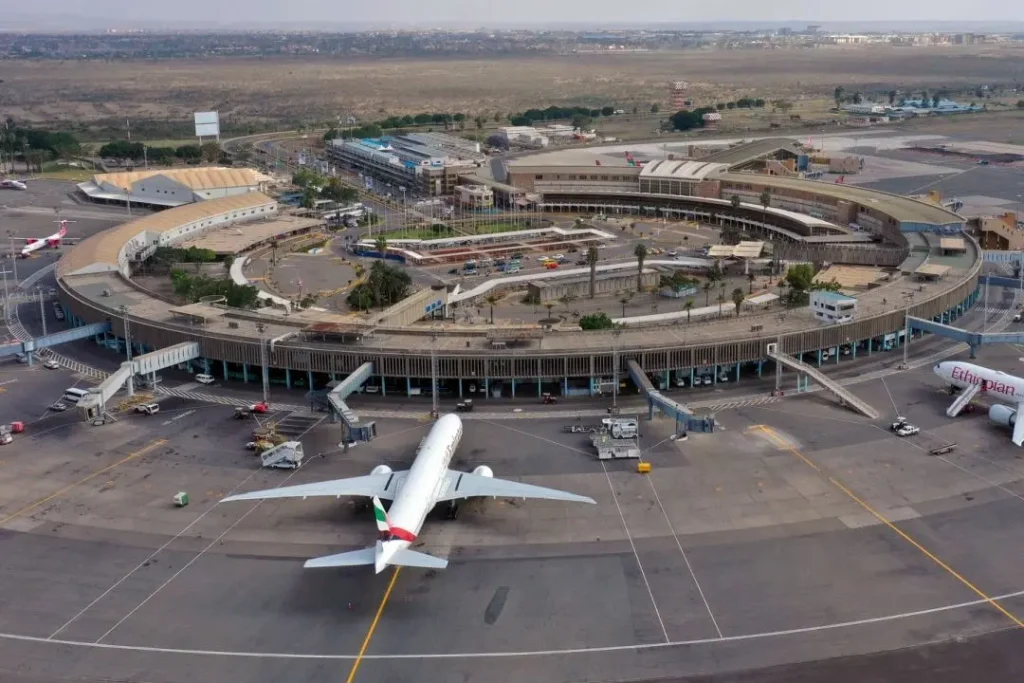
A strike disrupting operations at Jomo Kenyatta International Airport is beginning to ripple beyond aviation — and into East Africa’s technology supply chain.
The airport, which serves as Kenya’s primary international cargo hub, handles a significant volume of electronics, networking equipment, smartphones, and enterprise hardware entering the region. With operations slowed due to labor action, import timelines are tightening, and tech distributors are feeling the pressure.
For Kenya’s startup ecosystem and enterprise IT sector, the timing is delicate. Many companies rely on just-in-time hardware imports — from servers and routers to point-of-sale systems and consumer electronics. Any prolonged disruption could delay product launches, stall infrastructure upgrades, and raise short-term costs for resellers and integrators.
Beyond Kenya, the effects could stretch across neighboring markets that depend on Nairobi as a logistics gateway. Landlocked countries in East Africa often route critical imports through JKIA before onward distribution. A backlog at the airport does not just affect one city; it disrupts a regional technology pipeline.
There is also the pricing question. When logistics slow, warehousing costs rise. When supply tightens, prices adjust. Retailers and enterprise buyers may soon feel the impact if the strike persists, particularly in sectors already navigating currency volatility and global hardware supply fluctuations.
For Africa’s digital economy, infrastructure bottlenecks — whether regulatory, logistical, or labor-related — remain a persistent vulnerability. The strike at JKIA is a reminder that even in a cloud-driven era, physical infrastructure still underpins digital growth.
Leave a Reply