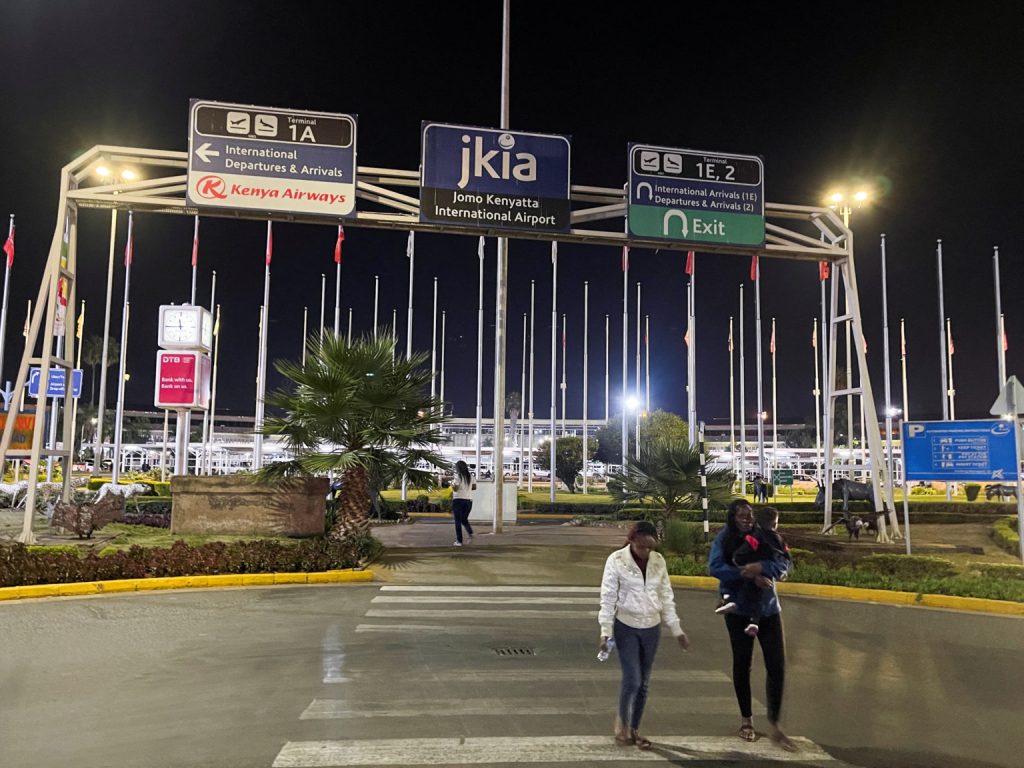
A strike at Kenya’s Jomo Kenyatta International Airport (JKIA) has caused significant disruptions to the country’s tech import sector, with delays affecting the delivery of electronics, computer equipment, and other technology-related goods. The industrial action, reportedly involving cargo handling staff, has slowed down customs clearance and freight processing, creating a backlog of shipments at one of East Africa’s busiest air hubs.
Businesses that rely on timely delivery of imported technology have reported delays ranging from several days to weeks. Companies importing smartphones, laptops, networking equipment, and other electronic devices are facing logistical challenges, disrupting supply chains and affecting sales cycles. Local distributors have warned that prolonged delays could lead to shortages and higher prices for end consumers.
The strike comes amid rising demand for tech products in Kenya, fueled by growing internet penetration, remote work trends, and a booming e-commerce sector. Importers often rely on JKIA as a primary gateway for high-value technology shipments from Asia, Europe, and the United States. Any disruption at the airport has immediate ripple effects on businesses, especially small and medium-sized enterprises that operate on tight inventory cycles.
Airport authorities have confirmed that negotiations between management and cargo handling staff are ongoing. The workers are demanding improved working conditions, higher pay, and more structured operational schedules. While the airport remains partially operational for passenger flights, cargo operations — particularly for tech imports — have been severely affected. Shipping companies are exploring alternative arrangements, including rerouting some shipments to Mombasa’s seaport or other regional hubs, though these options may increase costs and delivery times.
Industry analysts say the situation highlights the vulnerability of Kenya’s technology supply chain, which heavily depends on air freight for high-value and time-sensitive imports. They urge stakeholders, including government agencies and private sector partners, to establish contingency plans that minimize disruptions during industrial actions.
For now, importers and consumers are being advised to expect delays and adjust expectations for delivery timelines. Many tech distributors are also communicating proactively with customers to manage expectations and prevent sudden inventory shortages.
The resolution of the strike will be critical not only for resuming smooth operations at JKIA but also for stabilizing Kenya’s technology market. As digital adoption continues to rise across the country, maintaining efficient logistics channels remains essential to meet growing consumer demand and support the wider tech ecosystem.
Leave a Reply