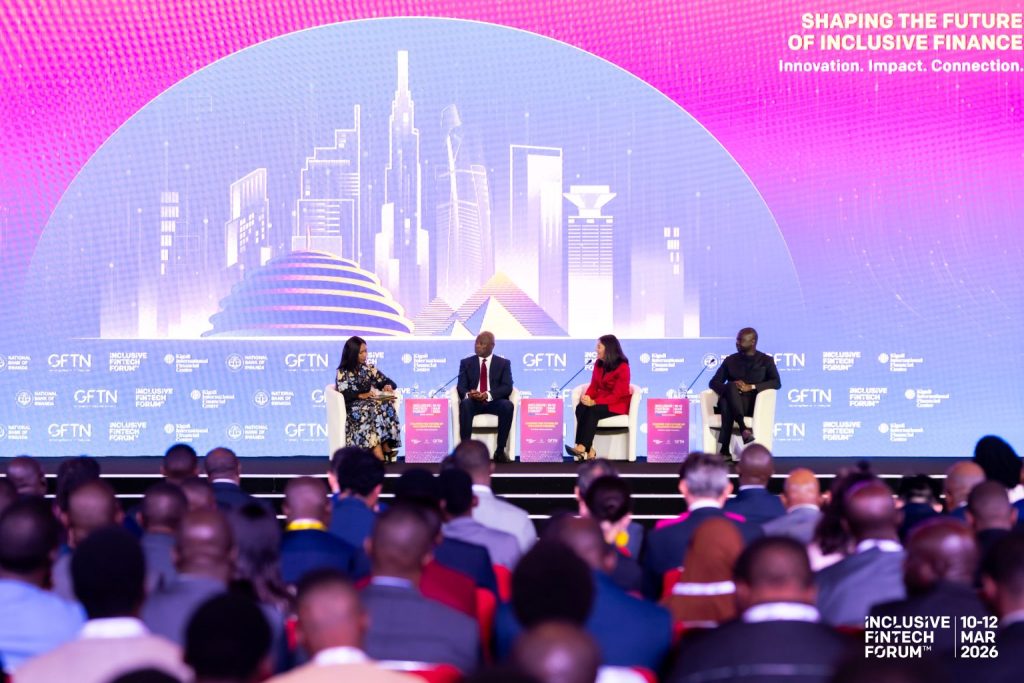
Africa’s financial landscape is undergoing a seismic shift, and by 2026, traditional banks may no longer dominate the continent’s financial future. The rise of fintechs, digital wallets, mobile banking, and alternative credit platforms is reshaping how individuals and businesses access, manage, and move money. The upcoming International Finance Forum (IFF) 2026 will put these transformations under the spotlight, highlighting why Africa’s financial future may increasingly belong to innovators outside conventional banking institutions.
For decades, banks were the primary gateway to financial services in Africa. Yet, despite growth in banking infrastructure, a significant portion of the population remains unbanked or underbanked. According to recent estimates, nearly 30% of adults across sub-Saharan Africa do not have access to a traditional bank account. Physical bank branches are often concentrated in urban centers, leaving rural communities underserved. Even for those with access, high fees, bureaucratic processes, and limited digital options often discourage regular usage.
Fintechs have stepped into this gap, offering services that are faster, cheaper, and more accessible than traditional banking. Mobile money platforms, pioneered by Kenya’s M-Pesa, have already revolutionized payments, enabling users to send, receive, and store money via simple mobile phones. Today, startups across Africa are building on this foundation with digital wallets, peer-to-peer lending, online savings platforms, and micro-insurance products. These services often bypass the need for a bank entirely, reaching millions who were previously excluded from formal financial systems.
The shift is also driven by changing consumer behavior. Africa’s youthful population—over 60% of the continent is under 25—is highly tech-savvy, mobile-first, and eager for instant financial solutions. These users prioritize convenience, speed, and low-cost transactions over legacy banking relationships. Startups are responding with apps that integrate payments, credit, and investment products, creating ecosystems that meet users’ financial needs without a single bank account.
Investors are taking note. Venture capital in African fintechs has surged, with billions of dollars pouring into payments, lending, and digital banking platforms. As these startups scale, they not only compete with banks but also partner with them in hybrid models, sometimes absorbing the functions that banks traditionally held.
Regulators are beginning to adapt, creating frameworks that recognize non-bank financial service providers while maintaining consumer protection. The emergence of centralized digital ID systems, interoperable payment platforms, and cross-border fintech initiatives further accelerates the shift.
By the time IFF 2026 convenes, discussions will likely focus on how fintechs are not just supplementing banks but, in many cases, replacing them as the primary interface for financial services. Africa’s financial future may belong less to the banks that built branches and more to the tech-driven platforms that build accessibility, inclusion, and innovation.
For policymakers, investors, and traditional banks, the message is clear: adapt or risk being sidelined. The next decade could see Africa leapfrogging traditional financial models entirely, embracing a new era where money moves faster, access is universal, and banking as we know it may be optional.
Leave a Reply