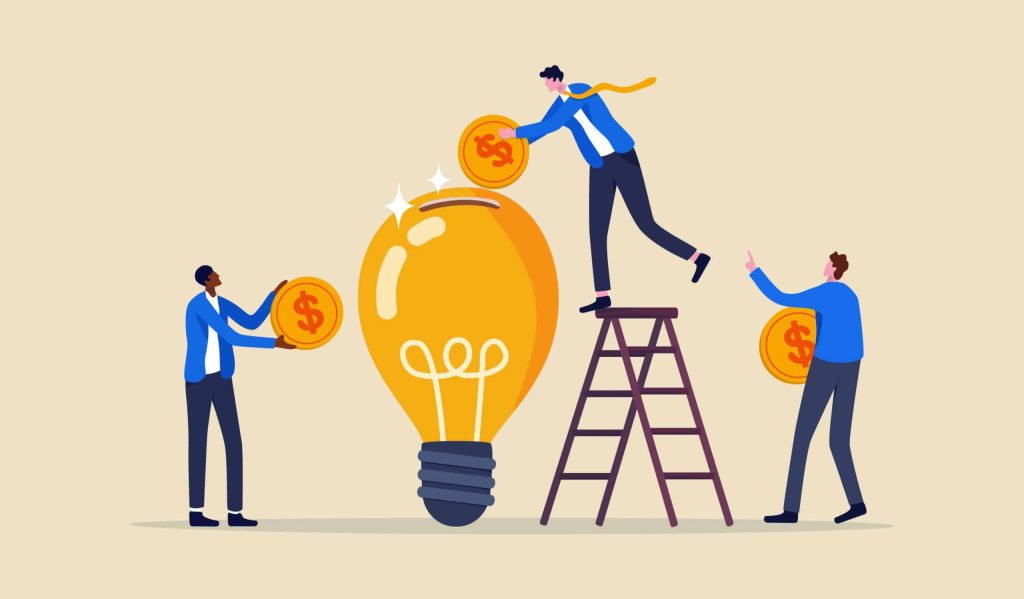
When you hear the term “venture capital” or “VC,” it might sound like something reserved for Silicon Valley tech giants. But in reality, venture capital is becoming increasingly important here in Africa, powering startups, innovation, and new economic opportunities. Simply put, venture capital is money invested in early-stage or growth-stage companies that have high potential but also higher risk. Investors provide funding in exchange for a stake in the company, betting that it will grow and eventually deliver returns.
Why should you, as an African entrepreneur, startup founder, or tech enthusiast, care? Because VC is one of the fastest ways for a promising business to access the resources needed to scale. Unlike bank loans, which require regular repayments and often collateral, venture capital is about partnership, growth, and shared success. The investor takes a risk, knowing that if the startup succeeds, everyone benefits — the company, the founder, and the investor.
Africa’s startup ecosystem has been gaining traction over the past decade, with sectors like fintech, healthtech, e-commerce, and agritech attracting significant attention from local and global investors. Countries like Nigeria, Kenya, South Africa, and Egypt have become hotspots for VC activity. In this environment, venture capital doesn’t just fund businesses; it signals confidence in ideas and markets, helping startups gain credibility, mentorship, and access to networks that would otherwise be out of reach.
For many Africans, understanding venture capital begins with grasping this simple idea: it’s not just money; it’s an engine for growth, innovation, and scaling businesses that can impact communities and economies. In upcoming sections, we’ll explore how venture capital works in practice in Africa, how investors choose startups, and what founders need to know to attract investment.
Leave a Reply