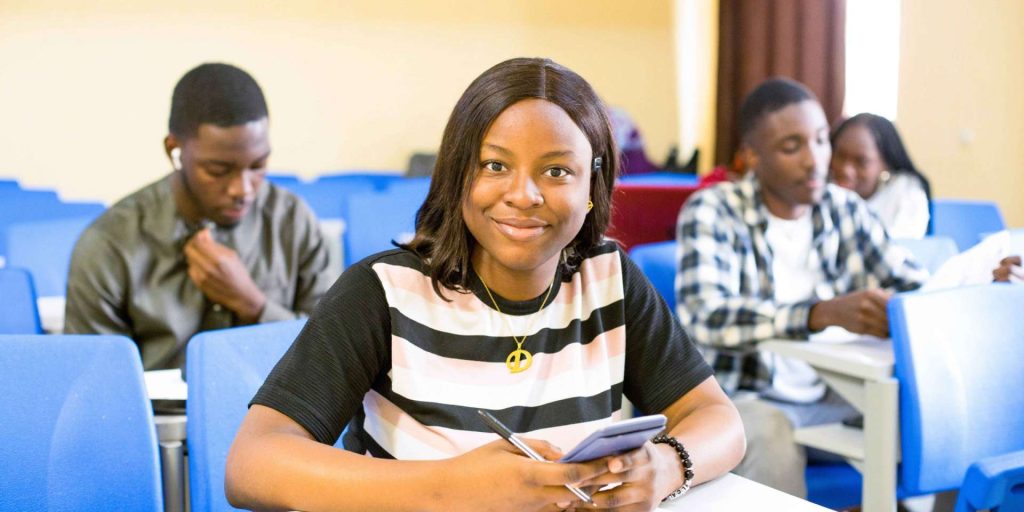
When we think of Nigeria’s economy, most people picture banks, oil, or tech startups. But a growing and often overlooked engine of revenue is right on university campuses: students themselves. According to research reported by TechCabal, Nigeria’s campus gig economy — the sum of all informal, freelance, and small business work by students — may be generating around ₦400 billion annually, or roughly $293 million.
So what exactly is the campus gig economy? It includes digital work, freelancing, small-scale trading, tech services, content creation, social media management, and other side hustles done by students while they study. Across 55 tertiary institutions surveyed by The Garage, a company building innovation and coworking spaces on campuses, these activities collectively contribute a huge and previously invisible chunk of Nigeria’s economy.
Why does this matter? First, it shows that students are economically active long before graduation, building skills, networks, and revenue streams that many formal jobs fail to offer. Second, it highlights the potential of digital platforms and informal markets in Africa, where traditional employment is often scarce and youth unemployment is high. Students are essentially creating their own opportunities, and in the process, they’re proving that Nigeria’s digital gig ecosystem is more than just a side hustle — it’s a serious economic force.
Investors and startups should take note. The fact that students are already generating hundreds of millions annually means there’s a ready-made market for services, tools, and platforms that cater to campus gig workers. From fintech apps for microtransactions to online marketplaces and freelancing platforms, the opportunities are significant.
Finally, the campus gig economy represents a glimpse into the future of work in Nigeria and Africa at large. As digital skills and entrepreneurship continue to grow, this “hidden economy” will likely expand, contributing even more to the continent’s GDP and offering lessons for policy, education, and innovation.
In short, Nigerian students aren’t just learning in classrooms — they’re building real economic value while still in school, and their collective efforts are already worth nearly $293 million a year. That’s a story worth paying attention to.
Leave a Reply