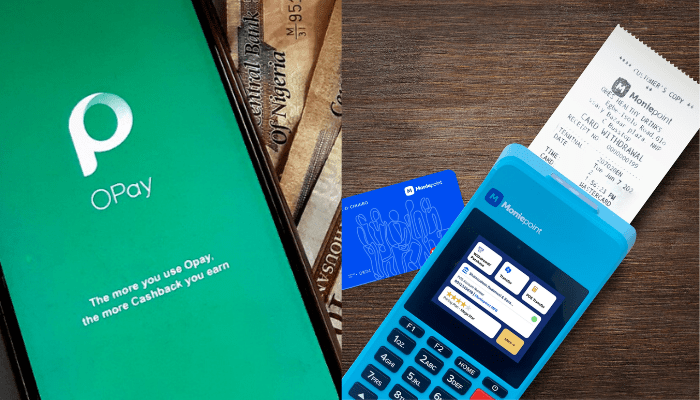
OPay was once everywhere in Nigerian markets and retail shops. Its mobile wallet, PoS terminals, and money agents made it easy for everyday Nigerians to send money, pay bills, and withdraw cash. For many users, OPay wasn’t just an app — it was a physical presence at the stalls and counters they frequented.
But things are changing fast. The Central Bank of Nigeria’s new regulations require money agents to affiliate exclusively with one provider. Previously, agents could host multiple PoS terminals from OPay, Moniepoint, and others side by side. Now, they have to pick a single provider to work with. This simple-seeming rule has triggered a massive shuffle across Nigeria’s fintech ecosystem.
Many agents are now choosing Moniepoint over OPay. Why? Moniepoint terminals are widely regarded as more reliable, easier to maintain, and faster at processing transactions. Beyond basic payments, Moniepoint also offers agents business tools like working capital loans, inventory tracking, and performance incentives, making it more attractive for merchants to stick with them long term.
The impact is visible on the ground. OPay terminals are being removed from shops or left idle, and agents who once helped drive OPay’s user activity are now focused on Moniepoint. Where the agents go, the customers follow — people naturally gravitate to the terminals that are live, functional, and supported. In effect, OPay is losing physical reach, and with it, everyday transaction volume.
For fintech observers, the OPay vs. Moniepoint shift is a clear lesson: regulatory changes can reshape market share overnight. Digital apps may seem abstract, but in Africa, physical access points and agent networks still drive adoption. Companies that fail to maintain reliable, well-supported agents risk losing not just devices, but real customers — the ones who walk into shop every day to make transactions.
Leave a Reply