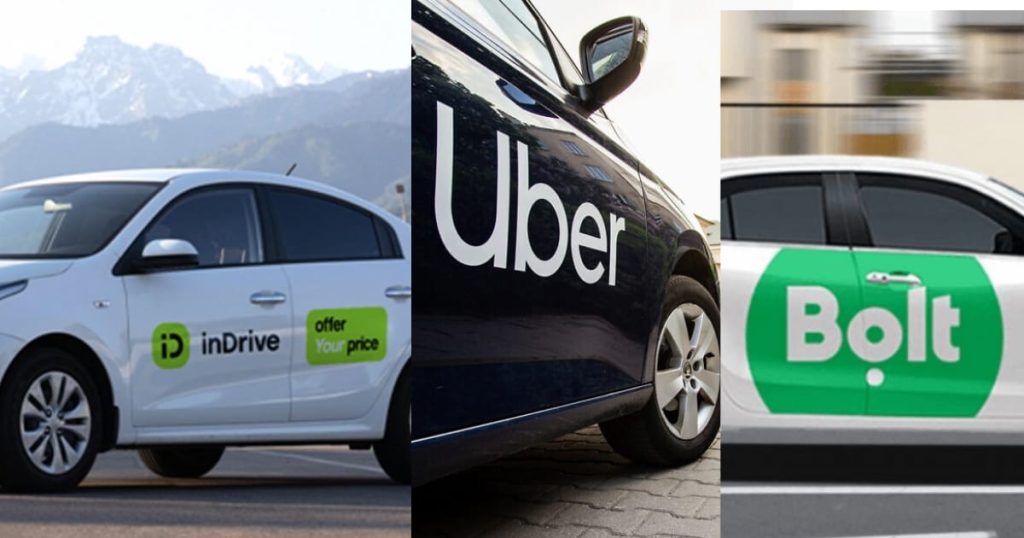
Ride‑hailing drivers in South Africa are intensifying calls for fare adjustments and reduced commission fees from major platforms like Uber, as the burden of rising fuel prices and operating costs erodes their earnings.
In recent years, fuel costs in South Africa have climbed steadily, increasing the daily expenses drivers face just to stay on the road. Unlike traditional taxi drivers with fixed meter rates, drivers working with app‑based platforms such as Uber receive a percentage of each fare — after the company takes its commission — leaving many struggling to cover costs once petrol prices are high. Automatic pricing algorithms and static fare structures mean drivers’ payouts often fail to keep up with the cost of fuel, vehicle maintenance and daily expenses.
The frustration isn’t new. In past years, e‑hailing drivers in South Africa have taken public action, including protests and strikes, demanding that platforms increase base fares and adjust rates in line with fuel price changes, and that companies cut commission fees that drivers argue are unfairly high. The core of the demand is simple: if the price of petrol rises, the earnings drivers take home should rise too. Without such adjustments, many say they are effectively working for diminishing returns despite longer work hours.
Drivers and local industry groups have proposed specific changes to ride‑hailing pricing models, including setting a minimum per‑kilometre rate that accounts for fuel costs and routinely adjusting fares in response to changes at the pump. They’ve also urged ride‑hailing companies to rethink how much commission they retain, arguing that smaller commission rates would allow drivers to keep more of what passengers pay.
For passengers, this conflict highlights a broader challenge in the ride‑hailing economy: balancing affordability with fair compensation for drivers. Platforms like Uber have historically framed their pricing as dynamic and market‑driven, but drivers contend that without deliberate adjustments tied to inflationary pressures such as fuel price hikes, their livelihoods are being squeezed.
As South Africa’s transport landscape continues to evolve, the outcome of these demands could have wider implications for gig workers across the continent. Whether companies respond with structural fare changes or regulatory bodies step in to protect driver earnings, one thing is clear: the conversation around fairness, fuel costs, and compensation in the digital ride‑hailing economy has never been more urgent.
Leave a Reply