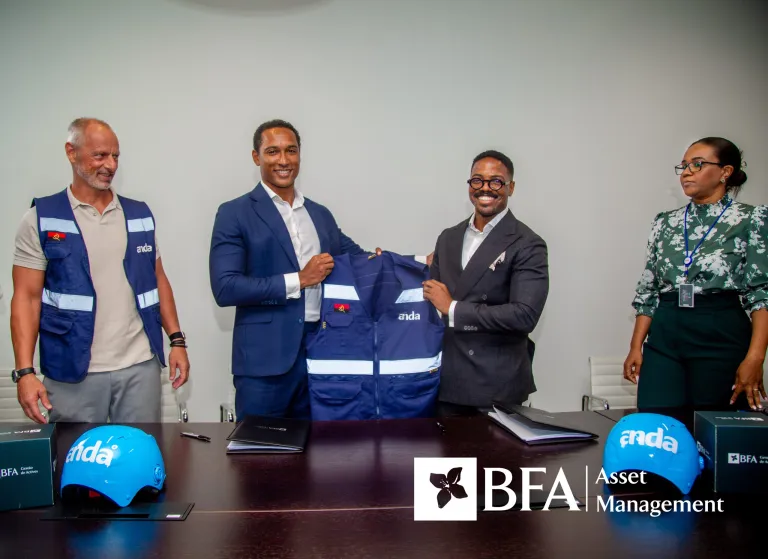
In a major development for African mobility tech, Angolan startup ANDA has reportedly pulled in a fresh investment round totalling $1.2 million, underscoring growing investor confidence in solutions that tackle informal transport markets on the continent. While exact investor details and deal structure are still emerging, the buzz around this raise reflects wider trends in African technology that marry financial inclusion with urban service delivery.
Founded in 2022 by Sergio Tati and Joerg Nuehrmann, ANDA has pioneered a “drive‑to‑own” model that helps motorcycle taxi drivers — one of Africa’s largest informal labour segments — transition into formal ownership through asset financing bundled with ride‑hailing and logistics services. Prior to this latest infusion, the company closed a major €3 million (roughly $3.4 million) seed round co‑led by European venture firms Breega and Speedinvest, marking one of the first times an Angolan company attracted significant international venture capital.
The reported $1.2 million raise suggests a strong vote of confidence from new and existing backers — likely predicated on ANDA’s traction in formalising an otherwise informal sector that employs over a million drivers in Angola alone. By enabling drivers to own vehicles over time while providing access to insurance, training, safety tools, and digital payments, ANDA is tackling a multi‑layered challenge: improving driver livelihoods, raising service standards, and embedding financial services deeper into everyday commerce.
Capital of this size not only fuels scale‑up plans but also positions ANDA to accelerate technology enhancements, expand its fleet (including potential electric vehicle integration), and further build its logistics and driver support infrastructure. It also signals investor appetite for vertically integrated mobility solutions that blend hardware (vehicles), fintech (asset financing and payments), and marketplace dynamics in emerging markets.
For the broader African startup ecosystem, ANDA’s milestone — whether interpreted as a follow‑on to its earlier $3.4 million seed or a new growth stage injection — points to a widening venture landscape where region‑specific problems with clear economic scale are attracting significant capital. As mobility remains central to economic participation in many African cities, solutions that formalise, protect, and profit urban operators are likely to draw even more attention from global investors.
Ultimately, ANDA’s expanding war chest highlights that innovation in Africa’s informal economy is not just feasible — it’s investable, and that backing companies solving real ground‑level problems can unlock both social impact and commercial growth.
Leave a Reply