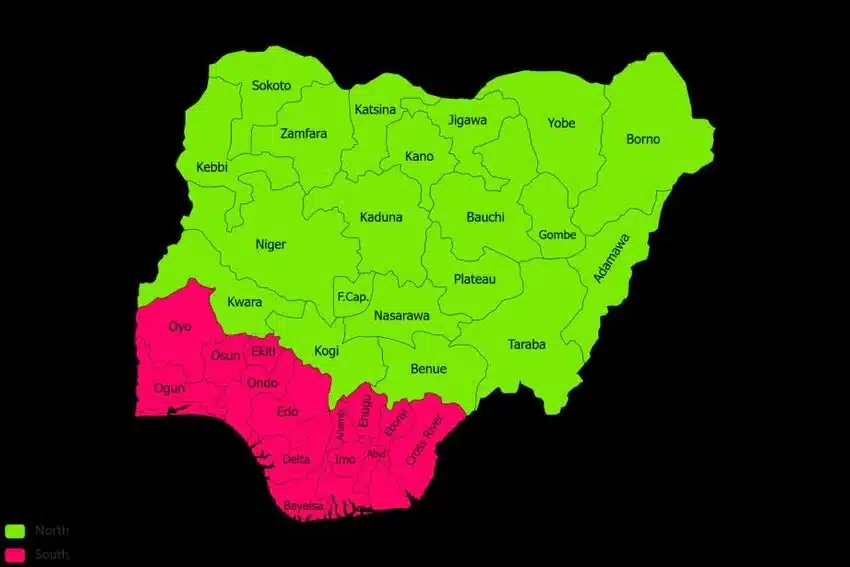
Across Africa’s rapidly expanding technology landscape, attention has often been focused on established tech hubs like Lagos, Nairobi, and Cape Town. However, a quieter but significant transformation is taking place in Northern Nigeria, where emerging developer communities are beginning to reshape the continent’s artificial intelligence (AI) talent pipeline. Though still under the radar, these communities are steadily building the foundations for a more distributed and inclusive African AI ecosystem.
One of the most important drivers of this shift is the rise of grassroots tech communities and coding bootcamps in cities such as Kano, Kaduna, and Jos. These communities are often led by young developers, educators, and tech enthusiasts who are committed to expanding access to digital skills. Through meetups, hackathons, and peer-to-peer learning, they are creating alternative pathways for talent development outside traditional university systems. This approach is especially important in regions where access to formal tech education and infrastructure has historically been limited.
Another key factor is the increasing availability of affordable internet and mobile technology. As connectivity improves, more young people in Northern Nigeria are gaining access to global learning platforms such as Coursera, freeCodeCamp, and YouTube tutorials. This has enabled self-taught developers to acquire advanced skills in machine learning, data science, and AI engineering. In many cases, these developers are building competitive portfolios without ever attending elite institutions, demonstrating that talent can emerge from unconventional environments.
Local innovation challenges and hackathons are also playing a crucial role. These events provide opportunities for developers to apply AI solutions to real-world problems such as agriculture, education, healthcare, and financial inclusion. Given the region’s unique socioeconomic challenges, developers are often forced to build practical, low-cost, and scalable solutions. This constraint-driven innovation is particularly valuable in AI development, where adaptability and problem-solving are key.
Despite these positive trends, challenges remain significant. Issues such as limited funding, inadequate infrastructure, and brain drain continue to affect the growth of Northern Nigeria’s tech ecosystem. Many talented developers eventually migrate to larger cities or abroad in search of better opportunities. However, even with these obstacles, the momentum of community-driven learning continues to grow.
Northern Nigeria’s developer communities represent a quiet but powerful shift in Africa’s technology landscape. By expanding access to skills, fostering innovation under constraints, and nurturing grassroots talent, these communities have the potential to significantly reshape Africa’s AI talent map in the coming years.
Importantly, global interest in African AI talent is increasing, and investors and tech companies are beginning to recognize the potential beyond traditional hubs. As remote work becomes more normalized, geographic barriers are becoming less relevant, allowing developers from Northern Nigeria to contribute to international AI projects without relocating.
Leave a Reply