Welcome to another edition of our Wednesday Fintech Spotlight. Today, we are shining a light on one of the most underrated fintech startups in Africa—breaking down its growth, structure, and the economic impact it is quietly building across the continent.
Across Africa’s fintech landscape, attention is usually fixed on consumer apps and payment giants. But beneath that visibility is a faster-growing layer: infrastructure fintechs enabling cross-border income flow. This week’s focus is Raenest, a startup building financial rails for Africa’s expanding remote workforce and global freelancers.
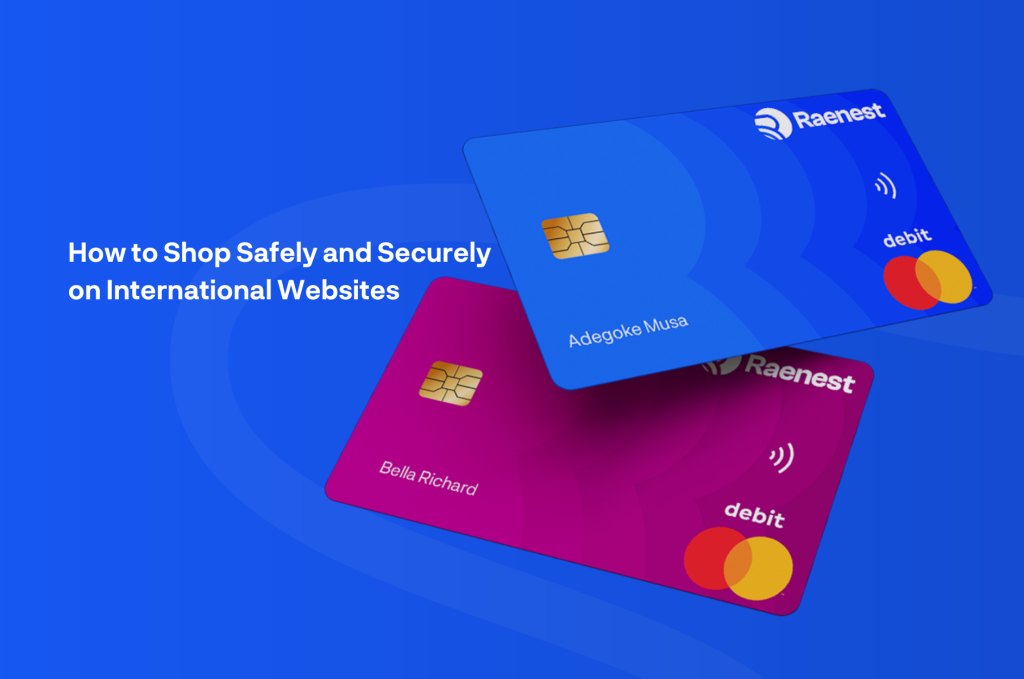
Raenest operates in a critical but underexplored segment—cross-border income infrastructure. It provides multi-currency accounts (USD, GBP, EUR) that allow Africans earning globally to receive payments directly, without relying on slow or expensive traditional banking channels. The goal is simple: reduce friction in how African talent gets paid by the global economy.
Founded in 2022, Raenest has evolved from an Employer of Record model into a broader financial infrastructure platform. The company is led by co-founder and CEO Victor Alade, and has attracted backing from major investors including QED Investors, Norrsken22, and Ventures Platform. In 2025, it raised an $11M Series A, bringing total funding to over $14M, signaling strong investor confidence in its category.
On the traction side, Raenest has scaled rapidly alongside Africa’s remote work boom, serving hundreds of thousands of users and businesses engaged in global income streams. Its system processes significant cross-border payment volume, reflecting growing demand for alternative financial infrastructure beyond traditional banking systems. The company is now expanding across key markets like Nigeria and Kenya.
What makes Raenest important is not just the product, but the macro shift it represents. Africa is increasingly exporting digital labour, and platforms like Raenest sit at the center of how that income is received, converted, and stored. In simple terms, it is building the financial plumbing for a global African workforce.
Conclusion
The next phase of African fintech is not about wallets or apps—it is about rails and infrastructure. Raenest represents that shift clearly: a quiet but powerful layer enabling African talent to plug directly into the global economy. The real disruption is no longer visible on the surface—it is happening in the systems that move the money.
Leave a Reply