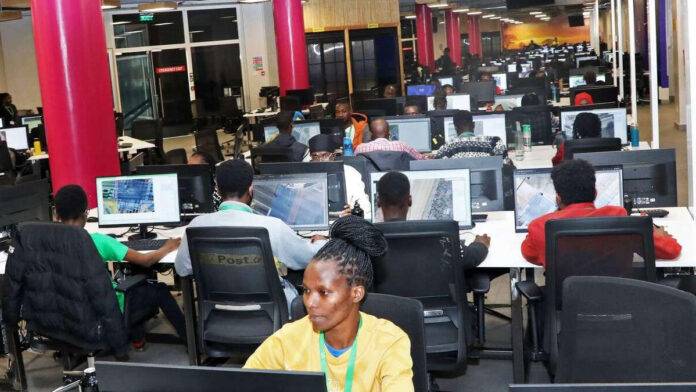
Sama has laid off about 1,100 employees in Kenya following the winding down of its work relationship with Meta, marking one of the most significant job cuts in Africa’s AI data labeling sector.
The affected workers were based primarily in Nairobi and were engaged in AI data annotation and content moderation tasks that support the training of machine learning systems used by global tech platforms. Their work formed part of the behind-the-scenes infrastructure that helps improve AI models by labeling images, text, and online content.
The layoffs follow the conclusion of a major workstream tied to Meta, which had been one of Sama’s largest clients in Kenya. While Sama has described the move as part of a broader operational shift, the end of this contract effectively removed a substantial portion of its Kenya-based workload, triggering the workforce reduction.
The development highlights the structural nature of Africa’s participation in the global AI economy. Much of the continent’s current involvement is concentrated in outsourced digital labour—particularly data labeling and content moderation—rather than ownership or development of core AI systems. This model makes employment highly dependent on contracts from global tech firms, which can shift or end based on strategic and regulatory decisions.
Beyond the immediate job losses, the case raises broader questions about the stability of AI-linked employment in emerging markets. While companies like Sama have positioned themselves as key players in ethical AI supply chains, the layoffs underscore how quickly large-scale digital workforces can be affected when global platforms adjust outsourcing strategies.
Leave a Reply