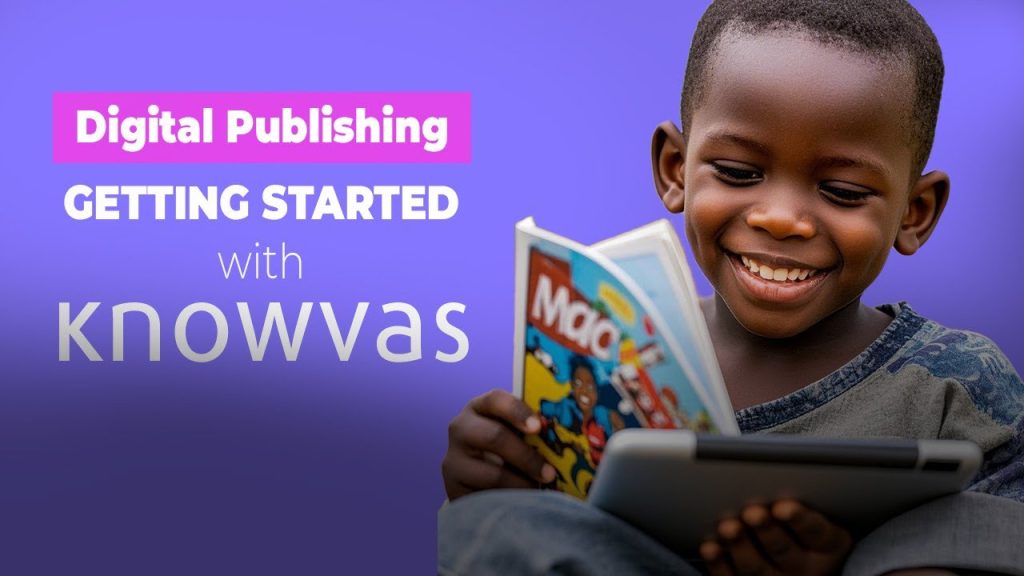
The digital world has made content easier to create, but even easier to lose control of. From ebooks to online courses, music to software, creators are constantly faced with the same problem: once something is released online, it can be copied, shared, and redistributed beyond their control. Piracy is no longer an occasional issue—it is a structural reality of the internet economy. It is within this context that KNOWVAS emerges, not as a traditional anti-piracy tool, but as a rethinking of how digital ownership should work.
Built by Adeyemi Akitoye, KNOWVAS approaches the problem differently from conventional piracy prevention systems. Instead of focusing on blocking downloads after content is released, it shifts the entire model of access. Content is not simply given away in downloadable form; it is delivered through controlled environments where usage can be managed, updated, and monitored by the creator. This means ownership does not end at publication—it continues throughout the lifecycle of the content.
At the core of this approach is a shift from restriction to control. Traditional anti-piracy systems attempt to stop copying after it happens, often reacting too late. KNOWVAS instead limits how content is accessed in the first place. By keeping content within a controlled viewing or usage system, creators retain the ability to adjust pricing, update materials, and manage who can access what. In practice, this mirrors models used by modern streaming platforms, where value is preserved not by preventing existence, but by controlling distribution.
This design reflects a broader reality in the digital economy: absolute prevention of piracy is nearly impossible, but meaningful control of access is achievable. Instead of treating piracy as a problem to be eliminated entirely, systems like KNOWVAS treat it as a risk to be managed through structure. This shift changes the conversation from enforcement to design—from chasing illegal copies to reducing the conditions that make unauthorized sharing necessary or attractive.
What makes this direction significant is what it represents for creators. In many digital industries, especially in emerging markets, creators often lose control the moment their work is shared. KNOWVAS challenges this by attempting to preserve a continuous link between creator and content. In doing so, it introduces a model where digital assets are not static files but living products, managed in real time.
Ultimately, KNOWVAS is part of a larger evolution in digital systems—one where ownership is no longer defined only by possession, but by controlled access and traceable usage. Piracy may never be fully eliminated, but its impact can be reduced when systems are designed with control, transparency, and creator authority at their core. In that sense, KNOWVAS is less about stopping piracy and more about reshaping how digital value is protected in the first place.
Leave a Reply