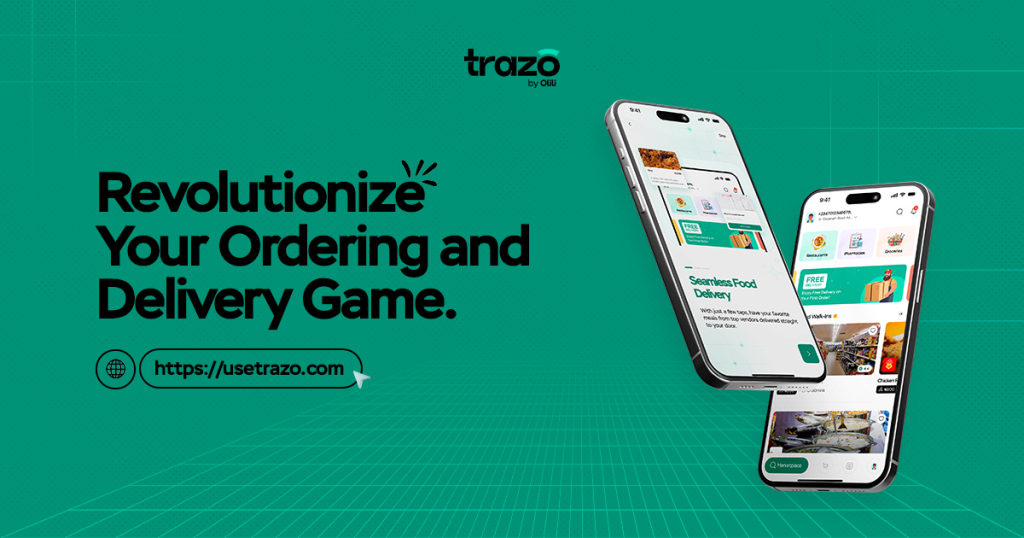
A quiet but notable shift is underway in Nigeria’s food delivery space as OliliFood begins transitioning to a new brand identity, Trazo. The move, which has surfaced through early-stage public signals such as social media updates, marks a rebranding effort that could signal deeper strategic changes within the company. While the transition has not yet been accompanied by a formal press release or widespread media coverage, the shift in naming suggests a deliberate attempt to reposition the business in an increasingly competitive market.
Rebranding in the food delivery sector is rarely just cosmetic. For startups like OliliFood, a name change often reflects evolving priorities—whether that involves expanding service offerings, targeting a different customer segment, or refining overall brand perception. The transition to Trazo may indicate a push toward a broader identity that extends beyond its original positioning, especially as competition intensifies across Nigeria’s on-demand delivery ecosystem.
The timing of this move is particularly significant. Nigeria’s food delivery market has grown rapidly, driven by urban demand, digital adoption, and the rise of logistics infrastructure. At the same time, the space has become more crowded, with established players and emerging startups competing for user attention and operational efficiency. In such an environment, brand identity plays a critical role in differentiation, making rebranding a strategic lever rather than a superficial adjustment.
What makes this transition noteworthy is its current stage. Rather than a high-profile launch, the shift appears to be unfolding gradually, suggesting a phased rollout approach. This allows the company to test brand reception, manage operational adjustments, and align internal systems before making a broader announcement. It also reflects a growing trend among startups to execute changes quietly before amplifying them through formal channels.
Ultimately, OliliFood’s transition to Trazo points to a company in evolution. Whether the rebrand is driven by growth ambitions, market repositioning, or operational restructuring, it underscores the dynamic nature of Nigeria’s startup ecosystem. As the transition becomes more visible and details emerge, it will offer further insight into how smaller players are adapting to remain competitive in one of Africa’s fastest-growing digital markets.
Leave a Reply