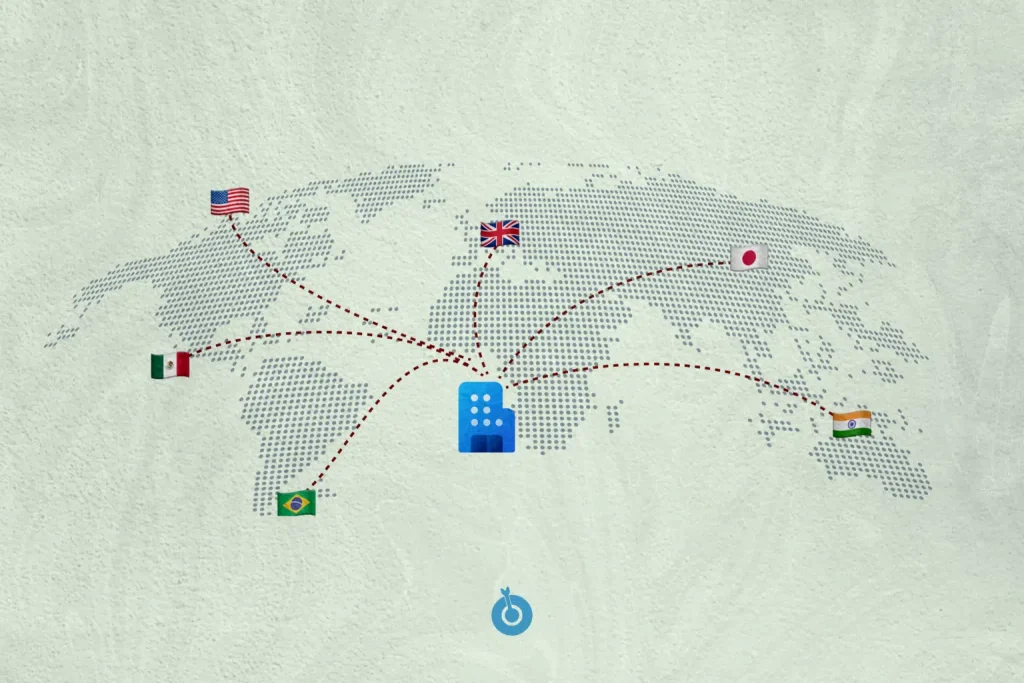
Digital Special Economic Zones (D-SEZs) are emerging as a powerful strategy to position Africa as a prime destination for global tech companies. Traditionally, Special Economic Zones (SEZs) have been used to attract manufacturing through tax incentives, infrastructure support, and regulatory flexibility. Now, a digital-first version of these zones could unlock similar benefits for the technology sector—while addressing many of the continent’s long-standing barriers to growth.
At their core, D-SEZs are designed to create enabling environments where technology companies can operate with fewer constraints. This includes reliable high-speed internet, cloud infrastructure, data centers, and supportive policies around data protection, cross-border data flows, and intellectual property. For many global firms, these factors are non-negotiable. In several African markets, however, inconsistent infrastructure and fragmented regulations have historically limited large-scale tech investment. D-SEZs offer a way to bypass these challenges by concentrating resources and reforms within defined areas. One of the biggest advantages of D-SEZs is regulatory clarity. Global tech companies often face uncertainty when entering new markets, particularly around data localization, taxation of digital services, and compliance standards. By establishing clear, harmonized rules within these zones, African governments can reduce risk and make it easier for firms to scale operations. This predictability is especially important for sectors such as fintech, artificial intelligence, and cloud computing, where compliance requirements are complex and constantly evolving.
Talent development is another critical component. D-SEZs can act as hubs that bring together universities, training institutions, and private companies to build a skilled digital workforce. Africa has one of the world’s youngest populations, and with targeted investment in digital skills, this demographic advantage can translate into a competitive edge. Tech companies are more likely to invest where they can find or develop talent at scale, and D-SEZs provide a focal point for such ecosystems to thrive.
Infrastructure, however, remains the backbone. Reliable electricity, high-capacity broadband, and modern office spaces are essential to attracting global players. By prioritizing these within D-SEZs, governments can create “plug-and-play” environments where companies can set up quickly and operate efficiently. This reduces the need for firms to build costly infrastructure from scratch, lowering the barrier to entry.
Beyond attracting foreign investment, D-SEZs can also stimulate local innovation. Startups and small businesses operating within or around these zones benefit from access to global networks, mentorship, and capital. Over time, this can lead to the development of vibrant tech ecosystems that generate jobs, drive exports, and foster homegrown solutions to local challenges.
Digital special economic zones represent more than just a policy tool—they are a strategic pathway for Africa to compete in the global digital economy. By combining infrastructure, talent, and regulatory reform in targeted locations, D-SEZs could unlock the continent’s potential and make it an attractive hub for the world’s leading tech companies. However, success is not guaranteed. Poor governance, policy inconsistency, and limited integration with the broader economy could undermine the impact of D-SEZs. To avoid this, governments must ensure transparency, maintain policy stability, and create linkages between zones and local industries.
Leave a Reply