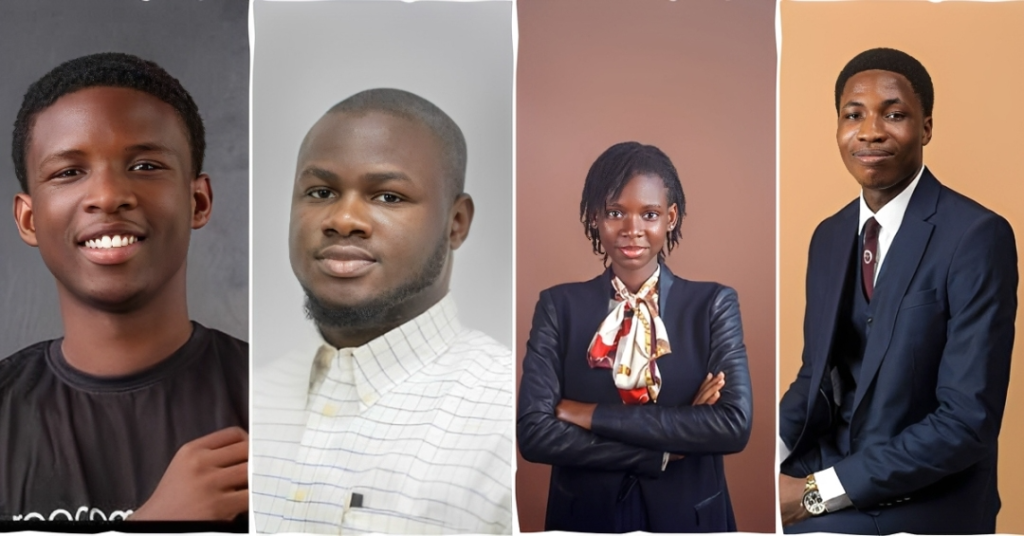
Four recent graduates are making waves in the African tech and film industries with an ambitious idea: an AI-powered video-dubbing tool designed specifically for African filmmakers. Their startup aims to solve a long-standing challenge in the continent’s creative sector—how to make films accessible across its hundreds of languages without losing cultural nuance.
Africa’s film industries, from Nollywood to emerging regional cinemas, produce thousands of movies each year. Yet language barriers often limit distribution beyond local audiences. Subtitles help, but they don’t fully capture the emotional depth or cultural context of dialogue. The graduates recognized this gap and set out to build a solution that goes beyond simple translation.
Their tool uses artificial intelligence to automatically dub films into multiple African languages while preserving the original speaker’s tone, emotion, and timing. By combining speech synthesis, machine translation, and voice-cloning technologies, the system can recreate performances in languages such as Yoruba, Swahili, Hausa, and Amharic. The goal is not just accuracy, but authenticity—ensuring that dubbed dialogue feels natural to native speakers.
One of the team’s biggest challenges has been data scarcity. Many African languages lack the large, high-quality datasets typically required to train AI systems. To overcome this, the founders have partnered with local communities, linguists, and content creators to gather voice samples and linguistic data responsibly. This collaborative approach also helps ensure cultural sensitivity, which is critical when adapting stories across regions.
The potential impact of their innovation is significant. Filmmakers could reach wider audiences across Africa and the diaspora without the high costs of traditional dubbing. Streaming platforms may also benefit, as localized content tends to drive higher engagement. For viewers, the experience becomes more immersive—watching stories in a familiar language rather than reading subtitles.
Though still in its early stages, the project has already attracted attention from investors and industry stakeholders. The graduates envision a future where African stories can travel freely across borders, carried by technology that respects and reflects the continent’s linguistic diversity.
Leave a Reply