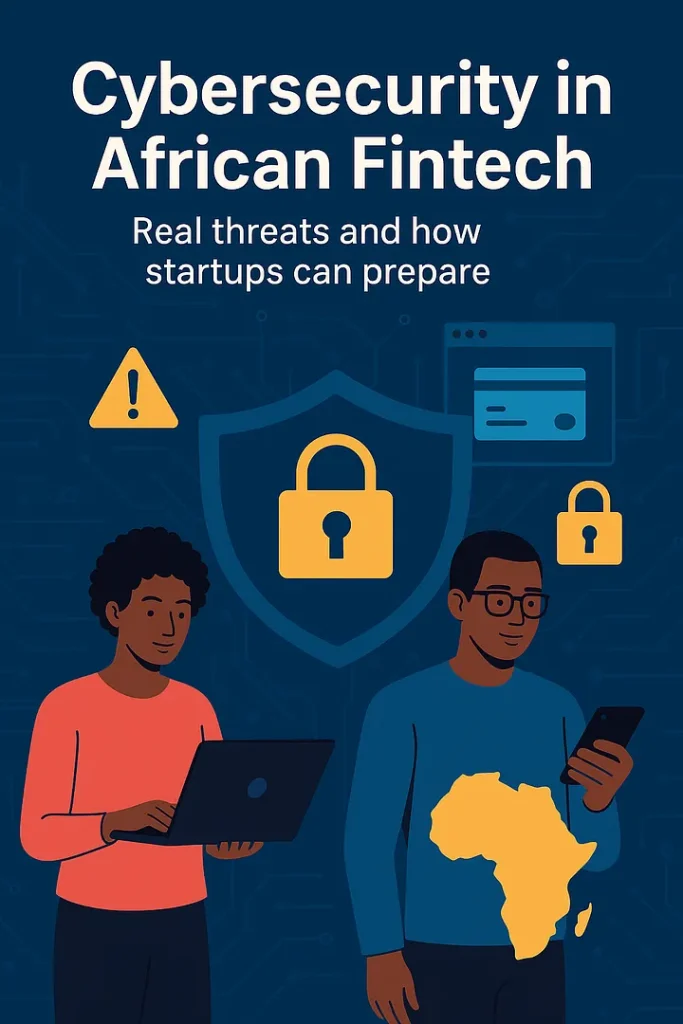
Cybersecurity and trust have become central issues in the rapid expansion of Africa’s fintech ecosystem. As digital financial services grow across the continent, they are transforming how millions of people access money, make payments, and manage savings. However, this digital shift also introduces new vulnerabilities that directly affect user confidence and system stability.
Africa’s fintech sector has experienced remarkable growth over the past decade, driven by mobile penetration, improved internet access, and innovative startups offering accessible financial services. Platforms such as Flutterwave and Paystack have enabled seamless online payments for businesses and individuals, while mobile money services continue to expand financial inclusion across rural and urban communities. But as adoption increases, so does exposure to cyber threats.
Cybersecurity risks in African fintech include phishing scams, identity theft, SIM swap fraud, account hacking, and unauthorized transactions. Criminals often target weak points in digital systems or exploit users with limited awareness of online security practices. Because many users are new to digital banking, they may not always recognize fraudulent messages or secure their accounts properly, making education as important as technology in preventing attacks.
Trust is equally critical. In many African markets, financial systems have historically relied on cash or informal savings methods. Transitioning to digital platforms requires users to trust systems they cannot physically see or control. Even small incidents—such as delayed transactions or temporary system outages—can significantly impact user confidence. Once trust is broken, it can take time for users to return to digital platforms.
To address these challenges, fintech companies are investing heavily in security technologies. Multi-factor authentication, biometric verification, encryption, and artificial intelligence-driven fraud detection systems are now widely used. These tools help identify suspicious behavior in real time and prevent unauthorized access before damage occurs.
Regulators across Africa are also strengthening oversight. Governments are introducing data protection laws and stricter compliance requirements, including Know Your Customer (KYC) and Anti-Money Laundering (AML) frameworks. These policies are designed to protect consumers while ensuring financial systems remain secure and transparent.
Despite these improvements, challenges remain. Cybersecurity expertise is still limited in many parts of the continent, and regulatory enforcement varies between countries. Additionally, the fast pace of fintech innovation often outstrips the development of security infrastructure, creating gaps that attackers can exploit.\
Cybersecurity and trust are inseparable pillars of Africa’s fintech future. Without strong protection systems and confident users, digital financial growth cannot be sustained. As the sector continues to evolve, collaboration between fintech companies, regulators, and users will be essential in building a safer and more trustworthy financial ecosystem across the continent.
Leave a Reply