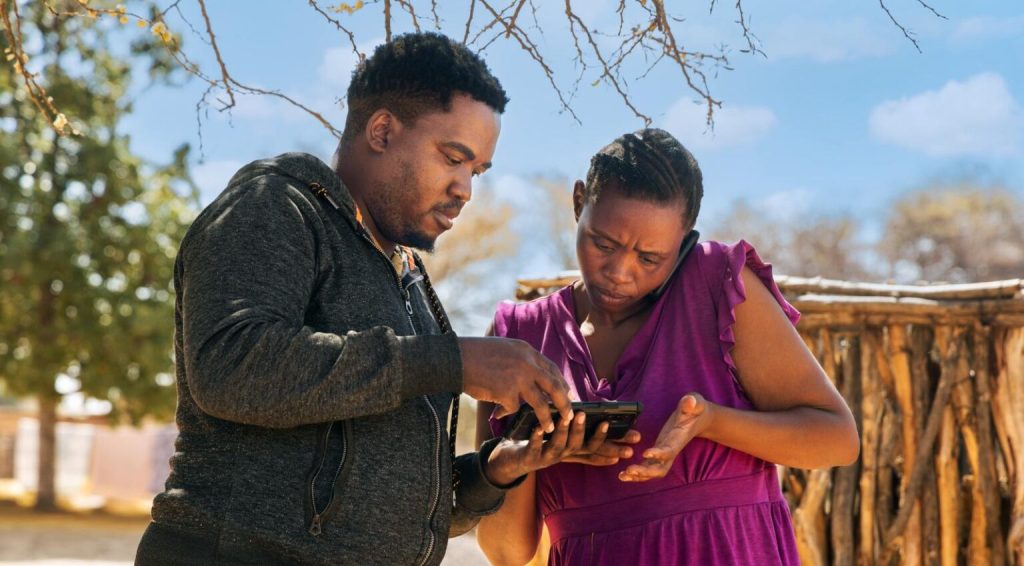
Mobile money has become one of the most transformative innovations in the global financial system, particularly in expanding financial inclusion for underserved populations. It refers to the use of mobile phones to access financial services such as sending and receiving money, paying bills, saving, and sometimes accessing credit and insurance. In many developing economies, where traditional banking infrastructure is limited, mobile money has bridged a critical gap.
One of the most significant roles of mobile money in financial inclusion is its ability to provide basic financial services to people who are unbanked or underbanked. In rural and low-income urban areas, many individuals do not have access to formal banking due to distance, lack of documentation, or high service fees. Mobile money platforms remove these barriers by allowing users to conduct transactions using simple mobile phones without needing a bank account. Services like M-Pesa in Kenya have demonstrated how widespread adoption of mobile financial services can rapidly increase access to financial tools for millions of people.
Mobile money also enhances convenience and reduces the cost of financial transactions. Users can send money instantly across long distances, which is especially important in countries with large rural populations and high internal migration. Instead of relying on physical transport or informal intermediaries, individuals can securely transfer funds in real time. This efficiency not only saves time and money but also increases economic participation by enabling faster circulation of funds within communities. Another important contribution of mobile money is its role in promoting savings and financial resilience. Many mobile money platforms offer digital savings features that encourage users to store money securely rather than keeping cash at home, where it may be lost, stolen, or spent impulsively. Some services also provide microloans and insurance products, helping users manage risks and invest in small businesses or education. This access to financial tools fosters greater economic stability among low-income households.
Additionally, mobile money supports small and informal businesses by enabling digital payments. Traders, farmers, and artisans can accept payments easily, expanding their customer base and reducing reliance on cash. Digital transaction records also help build financial histories, which can later improve access to formal credit from banks and microfinance institutions.
However, challenges remain. Issues such as digital literacy, network reliability, fraud risks, and regulatory constraints can limit the full potential of mobile money. Governments and service providers must continue investing in secure infrastructure, consumer education, and inclusive policies to maximize benefits.
Mobile money plays a crucial role in advancing financial inclusion by making financial services more accessible, affordable, and convenient. It empowers individuals, strengthens small businesses, and contributes to broader economic development, particularly in regions where traditional banking services are limited or inaccessible.
Leave a Reply