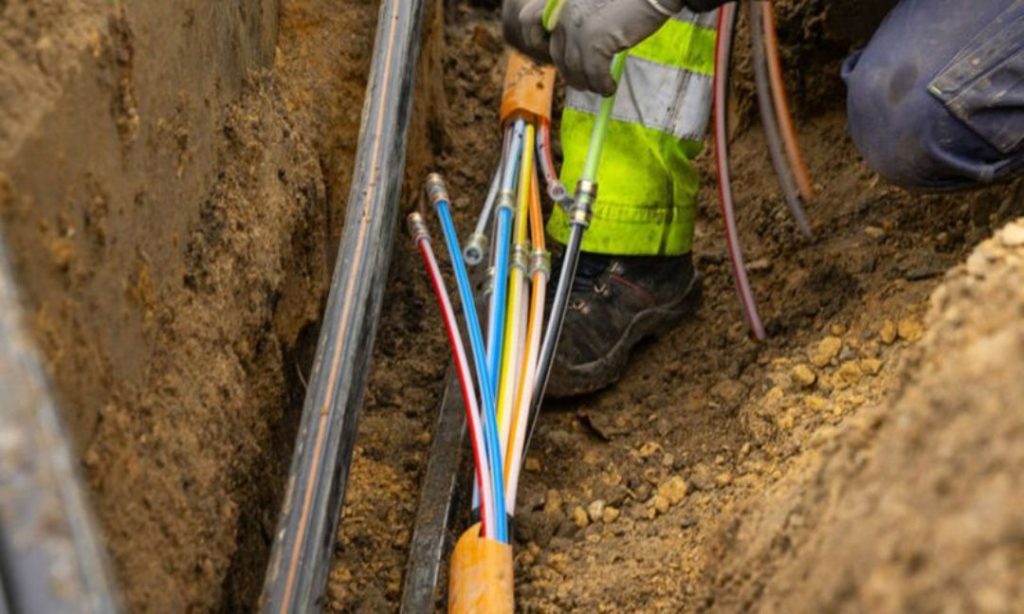
Telecom operators including MTN Nigeria, Airtel Nigeria, Globacom, and T2 Mobile recorded an average of about 500 fibre cuts per week in the first quarter of 2026, showing how fragile physical internet infrastructure still is in Nigeria despite rising demand for digital services.
Fibre optic cables are the backbone of mobile data, broadband, and enterprise connectivity. They carry internet traffic across cities and regions, but they are often buried underground or installed along roadsides. This makes them vulnerable to road construction, excavation work, vandalism, and environmental damage. In Nigeria, these risks have remained persistent, even as more people rely on mobile internet for banking, business, entertainment, and communication.
In Q1 2026, industry data attributed to the Nigerian Communications Commission shows that operators collectively recorded nearly 6,000 fibre cuts. Reports consistently show that the major operators—MTN, Airtel, Globacom, and T2—are all affected, with disruptions spread across different states and network routes. Some operators, like Airtel, have also publicly reported service interruptions linked to fibre damage in multiple regions during the period.
For users, the impact is direct and familiar: unstable internet connections, slow speeds, dropped calls, and delayed digital transactions. For businesses, especially fintechs, e-commerce platforms, and startups that depend on real-time connectivity, these disruptions translate into downtime and lost productivity. Even telecom companies themselves face rising operational costs because each fibre cut requires emergency repairs, equipment deployment, and coordination with multiple agencies.
From an industry perspective, the situation shows a structural weakness in how telecom infrastructure is protected and managed. Even with network expansion and growing investment in broadband, physical infrastructure remains exposed. The involvement of multiple operators—MTN, Airtel, Glo, and T2—also highlights that this is not a company-specific issue but a system-wide challenge tied to construction activity, enforcement gaps, and infrastructure coordination.
The key question going forward is whether Nigeria’s telecom ecosystem can move from constant repair cycles to stronger prevention systems—better mapping of fibre routes, stricter protection of critical infrastructure, and improved coordination with urban development projects. As digital services become more central to everyday life, the resilience of these networks will increasingly define how stable the country’s internet economy really is.
Leave a Reply