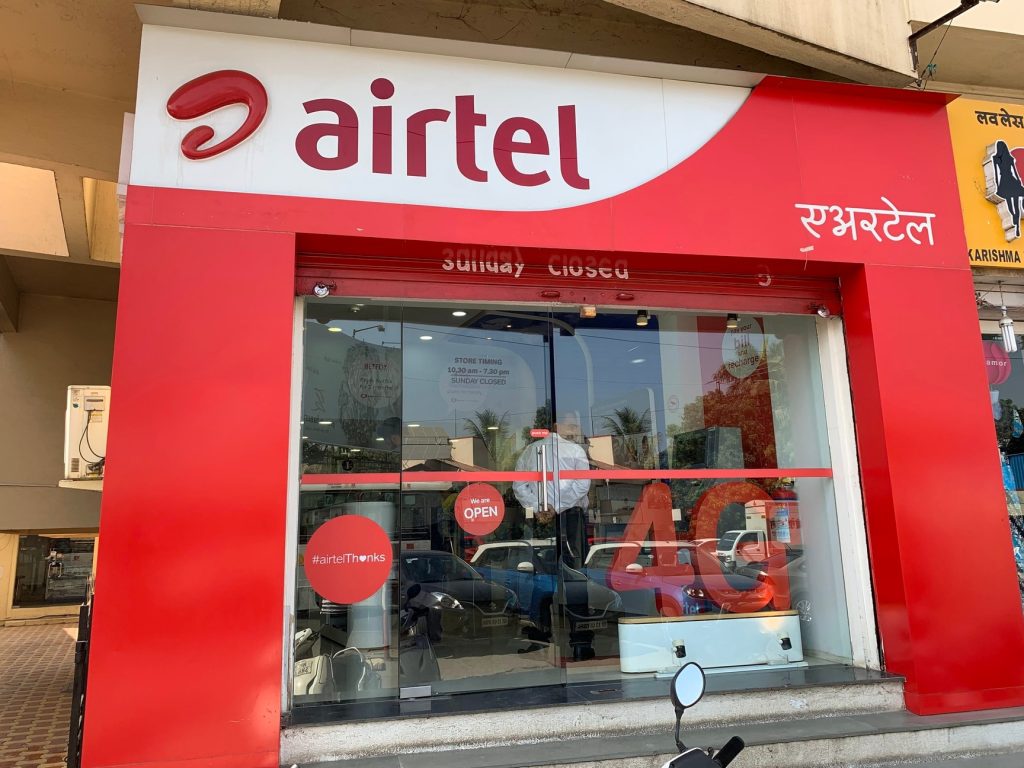
Airtel is recording an increase in revenue generated per user in Nigeria, a shift that highlights how changing mobile usage patterns and rising demand for data services are influencing the country’s telecom landscape.
This trend sits within a broader transformation of Nigeria’s telecom sector, where voice services are gradually becoming less dominant while data consumption continues to grow. Over the years, mobile operators have been adapting their business models to reflect this shift, investing more in network capacity and data-driven services as users increasingly rely on smartphones for communication, entertainment, and digital payments.
Recent reporting from industry-focused outlets such as TechCabal and Technext24 has pointed to a steady improvement in Airtel’s revenue per user metrics in Nigeria, often referred to in the industry as ARPU (Average Revenue Per User). While exact figures vary by reporting period and methodology, the general direction suggests that users are spending more on data and value-added services compared to traditional voice calls.
For consumers, this development reflects a simple reality: mobile internet is becoming more central to everyday life, but it also often means higher spending on connectivity, especially for heavy data users. For businesses and developers, particularly those building apps, fintech solutions, and digital platforms, higher data consumption signals a growing addressable market with increased digital engagement. However, it also raises questions around affordability for lower-income users who may feel the pressure of rising telecom costs.
From an industry perspective, the increase in revenue per user suggests that telecom operators like Airtel are gradually succeeding in their strategy of monetising data more effectively than voice services. It also indicates that Nigeria’s digital economy is maturing, with more users relying on mobile internet as their primary gateway to online services. At the same time, competition, regulation, and infrastructure costs continue to shape how far and how fast operators can push pricing and service upgrades.
Looking ahead, the key question is whether this growth in revenue per user will translate into better network quality and broader digital inclusion, or whether it will widen the gap between heavy data users and those who struggle with affordability. As Nigeria’s mobile economy evolves, the balance between profitability and access will remain central to how telecom growth is understood and experienced.
Leave a Reply