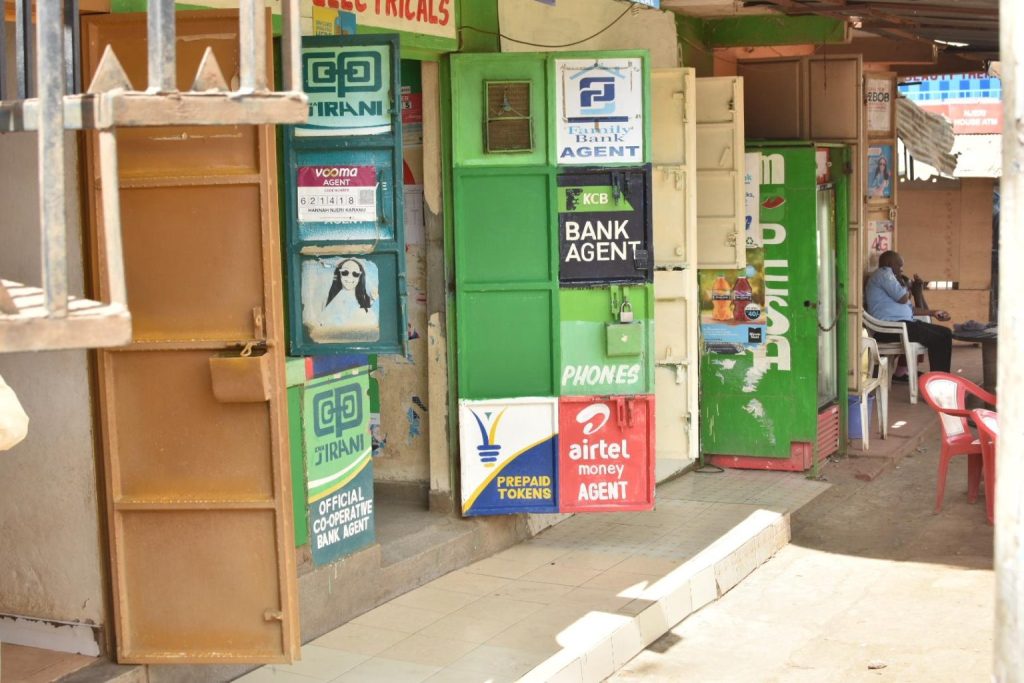
Kenya is widely recognized as a global leader in mobile money innovation, with platforms like M-Pesa transforming how millions of people send, receive, and store money. What began as a simple SMS-based transfer service has evolved into a full financial ecosystem powering payments, savings, credit, and even investment services. Today, mobile money has become deeply embedded in everyday life in Kenya, making the country a benchmark for financial inclusion across Africa and beyond.
However, beneath this success lies a growing challenge: the infrastructure supporting this digital financial revolution is under increasing strain. As transaction volumes surge and new financial products proliferate across the ecosystem, the underlying systems—ranging from telecom networks and banking rails to regulatory frameworks—struggle to keep pace. The result is a system that is innovative on the surface but increasingly complex and fragile underneath. One of the key issues is fragmentation. While mobile money has successfully connected millions of users, interoperability between platforms, banks, and fintech services remains imperfect. This creates inefficiencies, higher transaction costs, and limits seamless financial movement across different services. Although progress has been made toward integration, full system-wide connectivity is still incomplete.
Another challenge is infrastructure resilience. The rapid growth of mobile money transactions places heavy demand on telecom networks and payment processors. Occasional service disruptions highlight the need for stronger backend systems capable of handling peak loads and ensuring uninterrupted financial access. As Kenya continues to digitize its economy, even short outages can have widespread economic consequences.
Regulatory complexity is also becoming a concern. The financial ecosystem now includes telecom operators, banks, fintech startups, and global payment providers, all operating under overlapping rules. Policymakers are increasingly tasked with balancing innovation with consumer protection, systemic stability, and fair competition. Without a modernized regulatory framework, growth risks outpacing governance capacity.
Additionally, cybersecurity and fraud prevention are becoming more critical. As digital financial services expand, so do risks related to scams, identity theft, and unauthorized transactions. Strengthening digital trust is now essential to maintaining confidence in the system.
Despite these challenges, Kenya’s mobile money success remains a powerful foundation for future growth. The next phase is not about expanding access—it is about strengthening the infrastructure that supports it. Building more resilient systems, improving interoperability, and modernizing regulation will determine whether Kenya can sustain its leadership in the global digital finance landscape.
In many ways, Kenya has already won the mobile money revolution. The real test now is whether it can fix—and future-proof—the system underneath it.
Leave a Reply