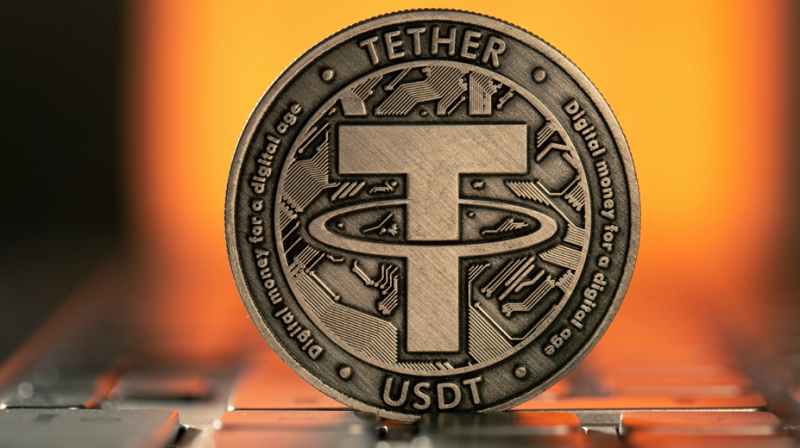
Nigeria’s growing appetite for Tether’s USDT stablecoin continues to position the country at the center of Africa’s digital asset revolution, as more individuals and businesses turn to dollar-backed cryptocurrencies to protect savings, make payments, and conduct cross-border transactions. Recent industry reports show that Nigerians remain among the world’s most active stablecoin users, reinforcing the country’s leadership in Africa’s fast-growing crypto economy.
Stablecoins are cryptocurrencies tied to stable assets such as the US dollar, helping users avoid the volatility commonly associated with digital currencies like Bitcoin. In Nigeria, USDT has become particularly popular as economic pressures, currency depreciation, and limited access to foreign exchange continue to affect consumers and businesses alike. Many Nigerians now use stablecoins as a hedge against inflation and the weakening naira.
According to Yellow Card’s 2025 Report on the State of Digital Assets Regulation in Africa, Nigeria ranks first globally in stablecoin adoption and second worldwide in overall digital asset usage, with approximately 25.9 million digital asset users. The report noted that USD-denominated stablecoins are increasingly being used for remittances, international payments, online commerce, and savings.
Analysts say Nigeria’s stablecoin boom is being fueled by practical financial needs rather than speculative trading. For many users, USDT offers a faster and cheaper alternative to traditional banking channels, especially for cross-border transactions. Stablecoins also provide easier access to US dollars at a time when forex shortages and exchange rate instability continue to affect Africa’s largest economy.
The wider African market is also seeing rapid growth in stablecoin adoption. Reuters recently reported that Nigeria and South Africa are leading the demand for stablecoins across emerging markets, with nearly 80% of surveyed Nigerian crypto users already holding stablecoins. The survey also found that 95% of Nigerians would prefer receiving payments in stablecoins rather than naira, highlighting growing trust in digital dollar assets.
USDT’s popularity is also tied to the rise of peer-to-peer crypto trading and mobile-based financial services across Africa. Blockchain networks such as TRON have become widely used because of their lower transaction fees and faster settlement times, making them attractive for remittances and business payments.
Despite the strong growth, challenges remain. Regulatory uncertainty, fraud concerns, and limited merchant acceptance still slow broader mainstream adoption. While many Nigerians hold stablecoins for savings or transfers, everyday retail usage remains relatively limited. Experts believe improved regulation and stronger payment infrastructure could unlock the next phase of stablecoin-driven financial inclusion across Africa.
As Africa’s digital economy expands, Nigeria’s leadership in USDT adoption reflects a broader shift toward alternative financial systems designed to offer greater stability, accessibility, and efficiency in emerging markets.
Leave a Reply