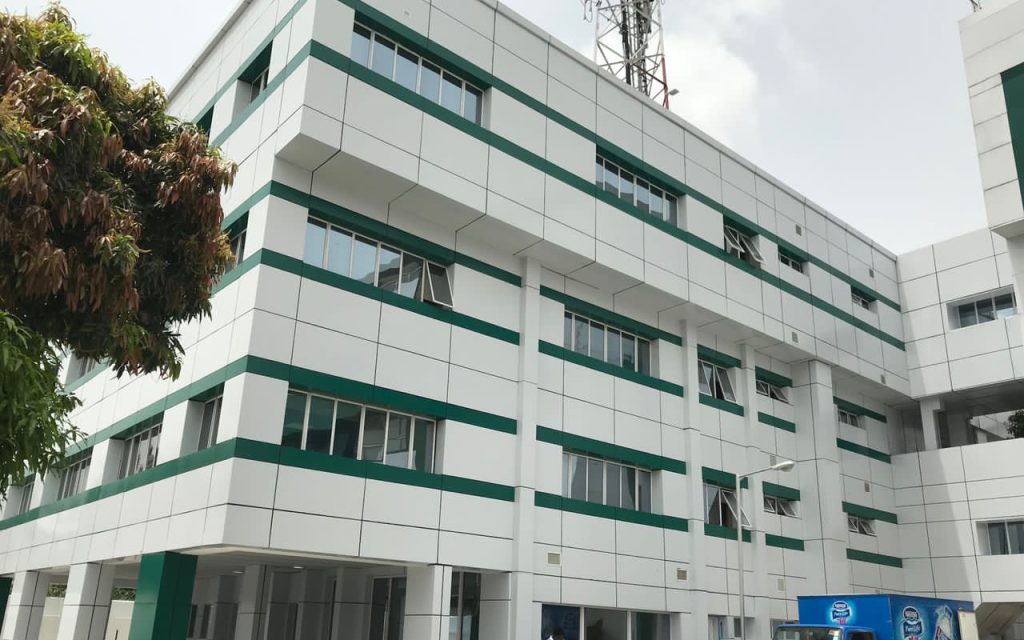
Telecom subscribers in Nigeria may begin to feel the effects of slower infrastructure expansion as tower company IHS Towers reportedly reduces the pace of some network infrastructure projects. The development comes at a time when demand for mobile data, digital services, and internet connectivity continues to rise across the country. While telecom operators remain focused on expanding coverage and improving service quality, infrastructure providers like IHS play a critical role behind the scenes by supplying and maintaining the towers that power mobile networks. Any slowdown in expansion therefore has implications beyond the company itself.
IHS Towers is one of Africa’s largest telecom tower operators, managing thousands of towers across Nigeria and several other markets. Telecom companies such as MTN, Airtel, and other operators rely on these towers to deliver voice and data services to users. Over the years, independent tower companies became increasingly important because they allowed telecom operators to share infrastructure rather than each company building separate towers. But maintaining and expanding telecom infrastructure in Nigeria has become more expensive due to rising energy costs, foreign exchange pressures, inflation, and security challenges in some regions.
Recent reports suggest IHS is becoming more cautious with capital spending and new infrastructure deployment as it responds to broader economic pressures and operational costs. Like many infrastructure businesses operating in emerging markets, tower operators face rising diesel expenses for powering sites, currency volatility affecting imported equipment, and financing challenges linked to higher global interest rates. Although this does not necessarily mean network services will immediately deteriorate, slower expansion could affect how quickly telecom companies improve coverage, add capacity in crowded urban areas, or roll out newer technologies in underserved regions.
For subscribers, the impact may be subtle at first but still important over time. Slower infrastructure growth can contribute to network congestion, weaker service quality in high-demand areas, delayed rural connectivity projects, and slower improvements in internet speeds. This matters not only for individual users streaming videos or making calls, but also for businesses that depend on stable connectivity for payments, logistics, cloud services, and remote work. Nigeria’s growing digital economy increasingly depends on reliable telecom infrastructure, meaning tower investments now affect far more than traditional mobile communication alone.
What this situation really highlights is the financial strain behind Africa’s digital infrastructure expansion. Consumers often experience telecom services through apps, smartphones, and mobile networks, but the physical infrastructure supporting those services remains expensive to build and maintain. Nigeria’s telecom sector has grown rapidly over the last decade, yet infrastructure economics remain difficult, especially in a market where operators must balance affordability for users with rising operating costs. The slowdown also reflects a broader reality facing infrastructure companies globally: investors are increasingly prioritising profitability and efficiency over aggressive expansion.
The bigger question is whether Africa’s digital growth ambitions can continue at the same pace without sustained infrastructure investment. Nigeria’s internet economy, fintech sector, streaming market, and AI ambitions all rely heavily on strong connectivity. If infrastructure deployment slows significantly, the effects could eventually ripple across the wider technology ecosystem. For now, the situation serves as a reminder that the future of digital services in Africa depends not only on software innovation, but also on the less visible infrastructure powering it every day.
Leave a Reply