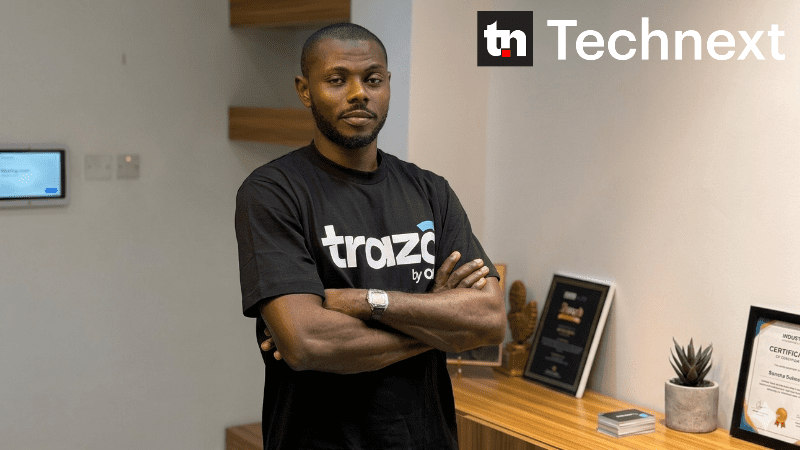
For years, Nigeria’s food delivery conversation has focused heavily on Lagos. The city’s large population, busy lifestyle, and growing digital economy made it the natural target for delivery startups looking for scale. But while many companies fought for visibility in Lagos, Trazo chose a different path. The startup built its food delivery business in smaller Nigerian cities first, and now it is preparing to enter the country’s most competitive market. (trazo.ng)
That strategy reflects a challenge many delivery startups face in Nigeria. Lagos offers high demand, but it also comes with intense competition, expensive logistics, traffic problems, and rising customer acquisition costs. Smaller cities, on the other hand, are often underserved despite having growing populations of students, workers, and digital consumers. In places where fewer delivery platforms operate, startups can sometimes build stronger local relationships with restaurants and customers before expanding into larger markets.
Trazo’s planned Lagos expansion signals a new phase for the company. After establishing operations outside the country’s biggest commercial hub, the startup now appears ready to test whether its model can compete in a market already occupied by established players like Glovo and Chowdeck. Reports around the company’s growth suggest that its earlier focus on smaller cities helped it understand operational efficiency and customer behavior in markets where digital delivery services are still developing. That experience could shape how it approaches Lagos differently from competitors that scaled there first.
The expansion could affect several groups at once. Restaurants may gain another delivery partner in an already active market, while riders could see additional earning opportunities if operations grow successfully. Consumers may also benefit from increased competition, especially if it leads to better pricing, faster delivery times, or improved customer service. At the same time, entering Lagos is not simple. Delivery startups in the city must deal with fuel costs, rider management, infrastructure gaps, and the constant pressure to retain users in a crowded market.
What makes Trazo’s story interesting is not just the Lagos expansion itself, but the route the company took to get there. African startups are often encouraged to chase the biggest markets immediately, but Trazo’s approach suggests there may still be value in building quietly in smaller cities before entering highly competitive urban centers. It also highlights how digital demand is spreading beyond major capitals as internet access and smartphone use continue to grow across Nigeria.
The bigger question now is whether startups built outside Lagos can compete sustainably once they enter the city’s fast-moving tech ecosystem. Smaller markets may offer room to learn and grow, but Lagos remains the place where scale is tested publicly and aggressively. As more startups expand beyond their original regions, the balance between local strength and national ambition could become one of the defining stories in Nigeria’s tech ecosystem.
Leave a Reply