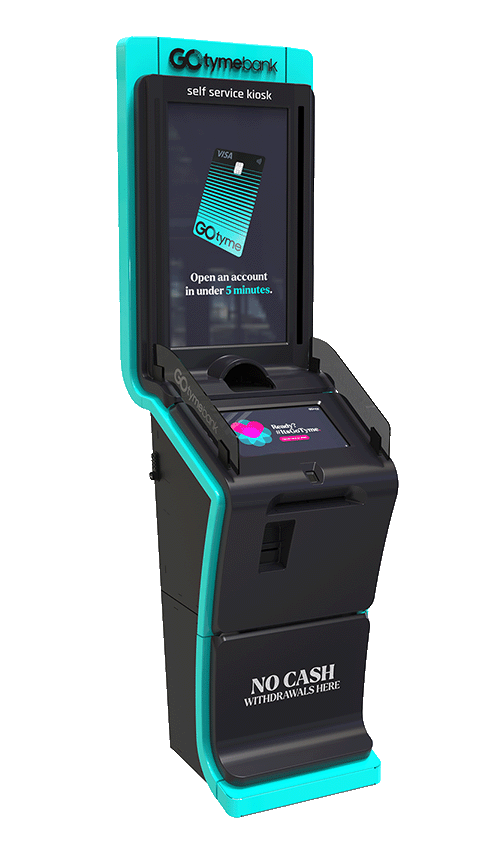
When companies expand quickly across markets, one challenge often comes up: how to keep employees aligned with long-term goals. In response, GoTyme Bank is reportedly preparing a plan to make around 2,000 employees shareholders as part of its wider global expansion strategy. The move places employee ownership at the centre of how the bank is trying to scale beyond its home market.
The idea of giving employees shares is not new in global tech and finance. Many fast-growing companies use employee stock ownership programs (ESOPs) to reward staff and encourage long-term commitment. In fintech especially, where competition for skilled engineers, product designers, and operations teams is high, equity has become one of the strongest tools for attracting and retaining talent. It also helps employees feel like they are building something they directly benefit from.
For GoTyme Bank, the reported plan to extend share ownership to about 2,000 employees is tied to its expansion ambitions beyond its core market. While full details of the structure have not been publicly confirmed, reports suggest the initiative is designed to give employees a financial stake in the company’s long-term performance. This would mean that as the bank grows and potentially increases its valuation, employees could benefit alongside founders and early investors.
The impact of such a move is mostly internal but still significant for the wider ecosystem. For employees, it creates stronger alignment between daily work and long-term outcomes. People are more likely to think carefully about product quality, customer experience, and growth when they also have ownership in the business. For the fintech sector, it reinforces a growing pattern where startups compete not only with salaries but also with equity-based incentives to attract talent in a tight labour market.
At a broader level, this reflects how fintech companies are maturing. Early-stage startups often focus on speed and user growth, but as they scale, culture and ownership structures become more important. Giving employees equity is one way companies try to balance rapid expansion with stability. It also signals a shift toward treating employees less like short-term workers and more like long-term partners in building the company.
The key question now is how effectively models like this will hold up as fintech companies expand across different countries and regulatory environments. If employee ownership becomes more common, will it change how people see their roles in fintech companies—or will it remain a benefit enjoyed mainly by large, fast-scaling startups like GoTyme Bank?
Leave a Reply