For decades, Africa’s economies have been shaken by global oil shocks. From the fuel crises of the 1970s to recent spikes caused by geopolitical conflicts and supply disruptions, rising oil prices have repeatedly strained national budgets, increased transport costs, and worsened inflation across the continent. But while previous crises often deepened dependence on fossil fuels, 2026 could become the year Africa finally accelerates its shift toward clean energy.
Several factors are driving this possible turning point. First is the growing economic pressure caused by volatile fuel prices. Many African countries spend billions of dollars importing refined petroleum despite being rich in natural resources. When global oil prices rise, governments are forced to increase subsidies or pass higher costs to citizens. This has made energy security a major political and economic issue.
At the same time, renewable energy is becoming cheaper and more accessible. The cost of solar panels, battery storage, and mini-grid systems has dropped significantly over the last decade. In countries where millions of people still lack reliable electricity, renewable solutions are increasingly seen as faster and more affordable than expanding traditional power infrastructure.
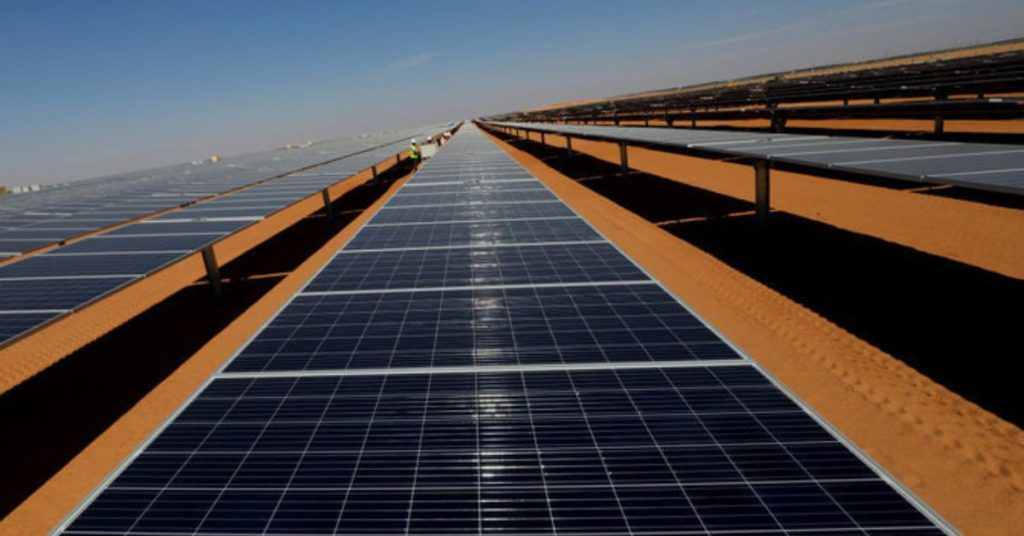
Investors are also paying closer attention to Africa’s clean energy potential. International climate funds, development banks, and private investors are directing billions of dollars into renewable energy projects across the continent. From solar farms in Kenya and Morocco to electric mobility projects in Nigeria, Africa is beginning to position itself as a future clean energy market rather than simply a fossil fuel consumer.
Another major factor is Africa’s rapidly growing population. By 2050, the continent is expected to account for a large share of the world’s population growth, creating massive energy demand. Governments understand that relying entirely on imported fuel may no longer be sustainable. Clean energy offers an opportunity to power industries, homes, and transportation systems while reducing long-term economic risks.
The year 2026 could prove critical because many governments are expected to review energy policies, expand renewable targets, and launch new infrastructure partnerships. Rising climate concerns and pressure from younger populations are also pushing leaders to rethink energy priorities.
Africa has experienced oil shocks before, but this moment feels different. Instead of merely surviving another fuel crisis, many countries now see an opportunity to build more resilient economies through clean energy. If investments continue and policies remain supportive, 2026 may be remembered as the year Africa’s energy transition truly began.
Leave a Reply