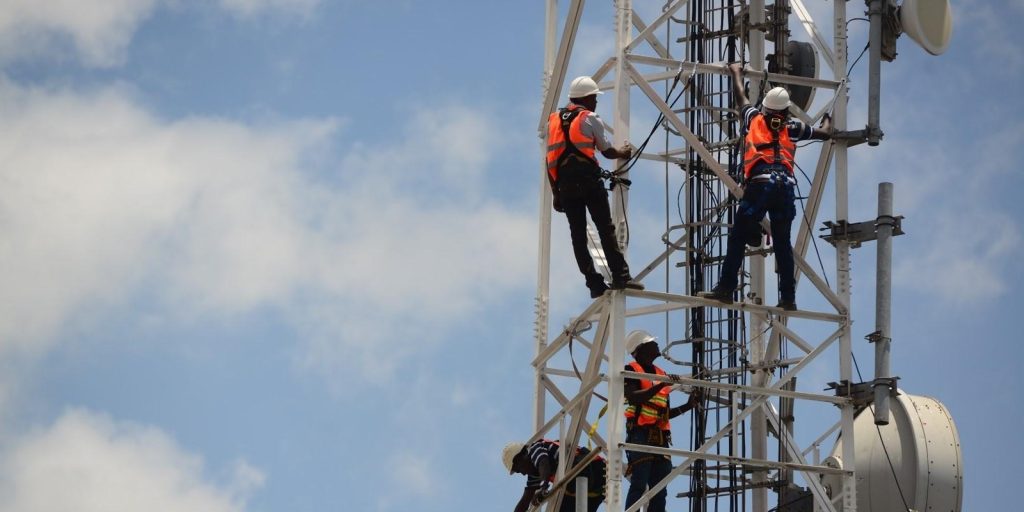
Helios Towers is reportedly planning to invest $110 million in the Democratic Republic of the Congo as internet usage and smartphone adoption continue to rise across the country. The investment highlights a broader trend playing out across Africa: telecom infrastructure companies are racing to expand network capacity as millions of new users come online. In markets where digital access is still developing, mobile towers remain one of the most important foundations of the internet economy.
The Democratic Republic of the Congo represents one of Africa’s largest untapped digital markets due to its population size and relatively low internet penetration compared to more mature telecom markets. Over the last decade, smartphone adoption across Africa has accelerated as cheaper Android devices, mobile money services, and social media platforms became more accessible. However, infrastructure gaps remain a major challenge in countries with large geographic territories and uneven electricity access. Building and maintaining telecom towers in such environments can be expensive, but demand for connectivity continues to grow.
Helios Towers’ reported investment appears aimed at expanding and strengthening telecom infrastructure to support mobile operators handling rising data traffic. Tower companies typically lease infrastructure to telecom providers rather than offering consumer services directly, making them a critical but less visible part of the digital ecosystem. As video streaming, mobile banking, online education, and digital commerce usage increase, operators require stronger network coverage and more reliable infrastructure to avoid congestion and service disruptions.
The impact could be significant for businesses, consumers, and the wider tech ecosystem in DR Congo. Improved network infrastructure may help expand internet access into underserved areas while also improving service quality in urban centres. For startups and digital businesses, stronger connectivity creates better conditions for mobile payments, logistics platforms, e-commerce services, and online communication tools. Telecom investments also tend to generate indirect economic activity through construction, maintenance, local partnerships, and increased digital participation.
What this really shows is that Africa’s digital economy still depends heavily on physical infrastructure growth. Conversations around artificial intelligence, fintech, and digital transformation often focus on apps and software, but reliable connectivity remains the foundation that makes those industries possible. In several African markets, the next phase of tech growth may depend less on launching new platforms and more on expanding the infrastructure that allows people to consistently access existing digital services.
The bigger question is whether infrastructure investments like this can scale fast enough to meet Africa’s growing digital demand. As smartphone adoption rises and internet-based services become more central to daily life, countries with stronger telecom infrastructure may move faster economically than those still struggling with connectivity gaps. For DR Congo, the challenge may no longer be whether demand for internet access exists, but whether the supporting infrastructure can keep pace with it.
Leave a Reply