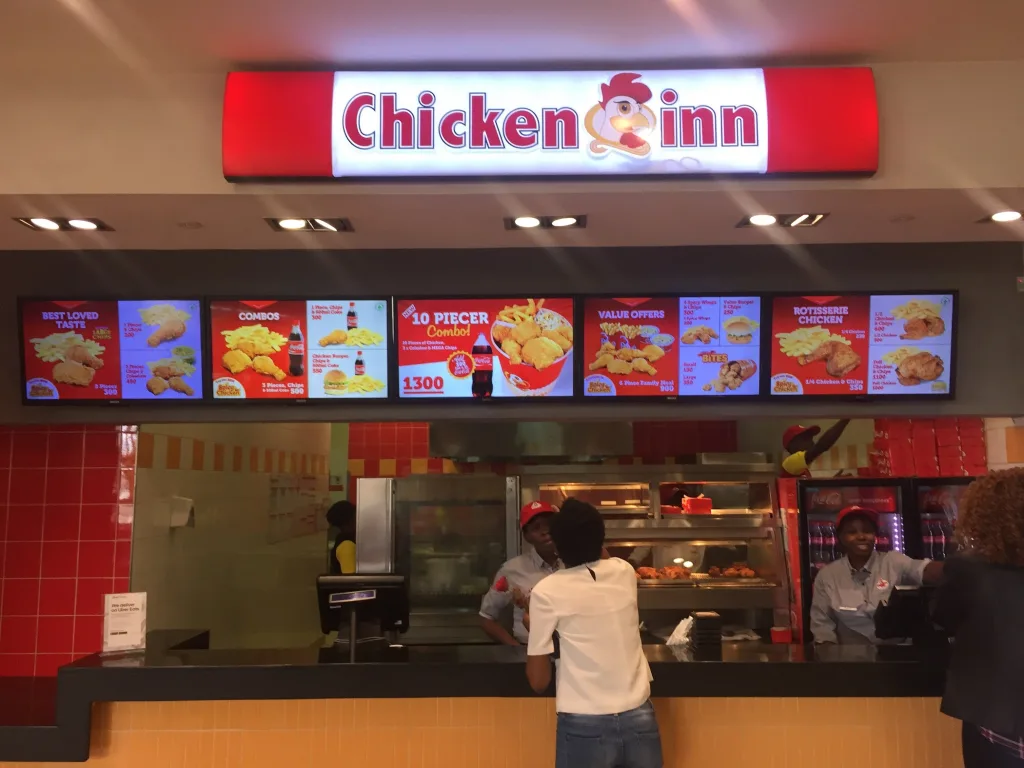
A fast-growing shift in how Kenyans buy food is putting serious pressure on restaurant logistics, with the operator behind Chicken Inn reporting handling up to 6,000 deliveries a day as digital ordering and delivery platforms reshape the fast-food business.
The surge reflects a broader change in Kenya’s urban consumer behavior. Over the past few years, food delivery has moved from occasional convenience to a routine service, driven by mobile apps, improved payment systems, and a young, mobile-first population. Fast-food chains that once relied mainly on walk-in customers are now managing hybrid operations where delivery can account for a large share of total orders.
Chicken Inn, part of the broader food service network operated by the region’s franchise groups, sits at the center of this shift. The brand has benefited from high urban penetration and strong brand familiarity, but the real change has come from the operational side — kitchens and supply chains now optimized not just for in-store service, but for continuous, high-volume delivery fulfilment.
Processing 6,000 deliveries a day places significant pressure on logistics systems, from kitchen turnaround times to rider networks and order management platforms. It also highlights how food delivery in Kenya has matured beyond early-stage experimentation into a structured, high-volume business segment where efficiency determines profitability. Payment integration through mobile money systems has further accelerated adoption, reducing friction at checkout and increasing repeat ordering.
The impact extends across multiple groups. For consumers, delivery services offer convenience and time savings, especially in Nairobi and other urban centres where traffic and work schedules make physical visits less practical. For delivery riders, the growth means more job opportunities but also higher pressure around speed, reliability, and income stability. For restaurants, the challenge is balancing delivery demand with in-store operations while managing thin margins in a competitive fast-food market.
What this trend ultimately signals is a restructuring of the food service economy around digital platforms and logistics efficiency. In markets like Kenya, where mobile money infrastructure is deeply embedded in daily life, food delivery has scaled faster than in many comparable economies. The next phase of competition will likely be defined not just by menu offerings, but by how efficiently companies manage data, delivery networks, and customer retention in an increasingly crowded market.
Leave a Reply