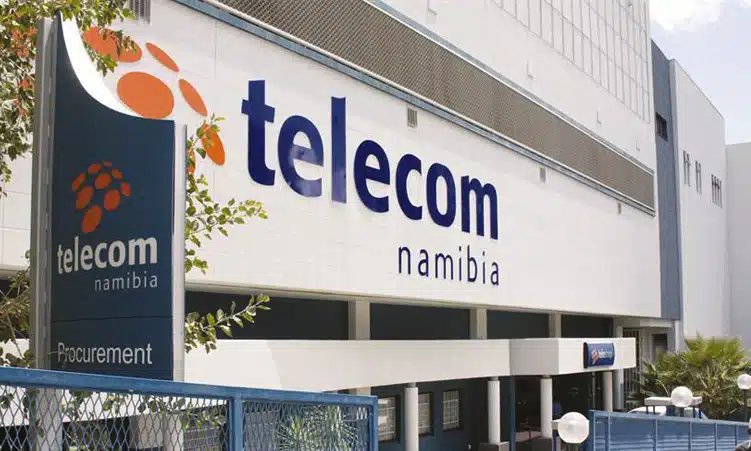
Namibia’s telecom industry is facing an awkward contradiction: the same regulator trying to modernise the country’s digital infrastructure is also becoming entangled in disputes involving some of its biggest operators.
At the center of that tension is Communications Regulatory Authority of Namibia, better known as CRAN, which has recently drawn attention over regulatory clashes affecting the country’s telecom ecosystem. While the latest headlines have focused heavily on CRAN’s rejection of Starlink’s licence application, the broader issue goes beyond one company. Namibia’s telecom sector is increasingly caught between pressure for faster digital expansion, consumer frustration over service quality, and strict regulatory rules designed to protect local ownership and market oversight.
CRAN exists to regulate Namibia’s telecommunications, broadcasting, postal services, and spectrum allocation under the country’s Communications Act. The regulator has argued that maintaining compliance standards is necessary for competition, national security, and consumer protection. But the environment has become more difficult as demand for faster internet, satellite connectivity, and digital services accelerates across Southern Africa. Namibia, like many African countries, still faces connectivity gaps outside major urban areas, while businesses and households continue to complain about internet reliability, pricing, and service interruptions.
The current friction intensified after CRAN formally rejected Starlink’s bid to operate in Namibia, saying the company failed to satisfy key legal requirements including local ownership rules, compliance history, and national security considerations. Regulators stated that the satellite provider met only three of the six mandatory licensing criteria under Namibian law. The dispute followed earlier enforcement action in which CRAN ordered Starlink to cease operations in the country over claims it was operating without the required licence.
The situation matters because Namibia’s telecom sector is already under pressure from consumers demanding better service and more competition. Online discussions from Namibian users show growing frustration with internet instability, high prices, and customer service complaints involving traditional providers including Telecom Namibia. Some consumers see Starlink and alternative providers as potential solutions to long-standing infrastructure limitations, particularly in rural or underserved areas where fibre deployment remains expensive. Others argue regulators are right to enforce the same rules on foreign companies that local operators must follow.
What this really reveals is the growing tension between telecom sovereignty and digital competitiveness across Africa. Governments want stronger control over critical communications infrastructure, local ownership participation, and national data oversight. At the same time, consumers and businesses increasingly compare local internet performance against global alternatives. Satellite internet providers are disrupting telecom markets partly because they bypass some of the infrastructure bottlenecks that traditional operators still struggle with. But regulators worry that allowing unrestricted foreign operators could weaken domestic telecom industries and reduce national oversight over communications networks.
Namibia’s telecom challenges are unlikely to disappear soon because the continent’s digital infrastructure race is becoming more complex, not less. Regulators like CRAN are under pressure to encourage innovation while protecting domestic interests, and telecom operators must compete in a market where users now expect global-quality connectivity. The bigger question is whether African regulators can modernise quickly enough to support new technologies without creating policy uncertainty that slows investment and competition.
Leave a Reply