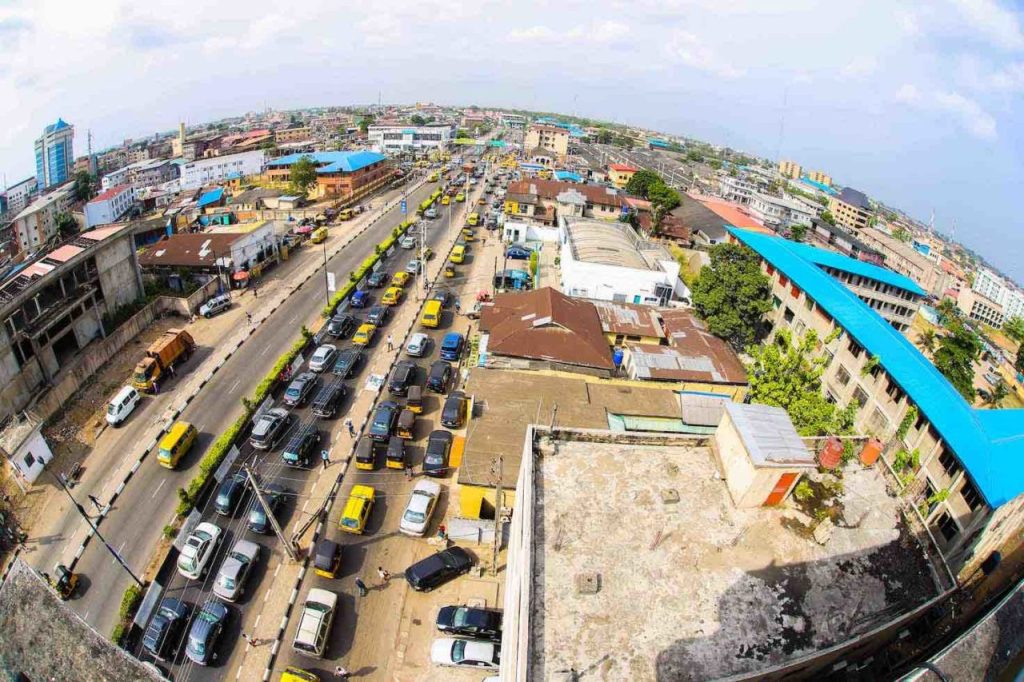
Lagos is steadily rising in global startup rankings, strengthening its reputation as Africa’s leading tech hub, even as Nigeria’s broader startup ecosystem experiences a period of slower growth. The city’s performance highlights a growing divergence between Lagos’ concentrated innovation strength and the wider national challenges affecting startup expansion across the country.
Lagos continues to benefit from its dense concentration of talent, investors, and infrastructure that support early-stage innovation. The city hosts a large share of Nigeria’s most active startups, particularly in fintech, logistics, e-commerce, and digital services. Its strong entrepreneurial culture, combined with access to venture capital and a rapidly growing youth population, has helped it maintain momentum in global rankings despite macroeconomic pressures.
Recent global startup ecosystem assessments have placed Lagos among the top emerging tech cities worldwide, reflecting improvements in funding activity, startup density, and international visibility. The city’s rise is also supported by increased participation from global venture capital firms seeking exposure to African markets, with Lagos often serving as their primary entry point into the continent.
However, Nigeria’s overall startup ecosystem growth has slowed due to several structural challenges. Inflation, foreign exchange volatility, and regulatory uncertainty have made it more difficult for startups outside major hubs like Lagos to scale effectively. Many early-stage companies continue to struggle with rising operational costs, limited access to patient capital, and infrastructure constraints such as unreliable power supply and logistics inefficiencies.
Despite these challenges, Lagos has managed to maintain its position as a magnet for innovation. Co-working spaces, startup accelerators, and incubators continue to expand across the city, fostering collaboration and supporting new ventures. The presence of major fintech players and successful exits from local startups has also strengthened investor confidence in the ecosystem.
Analysts note that Lagos’ resilience underscores the importance of urban tech clusters in emerging markets. While national ecosystem growth may fluctuate, concentrated hubs like Lagos can continue to thrive if they maintain strong talent pipelines, supportive policy environments, and access to global capital networks.
Looking ahead, sustaining Lagos’ upward trajectory will depend on improving infrastructure, expanding access to funding beyond early-stage startups, and addressing regulatory bottlenecks that affect scalability. If these conditions improve, Lagos could further solidify its position as one of the world’s leading emerging startup ecosystems, even as Nigeria works to reignite broader national growth.
Leave a Reply