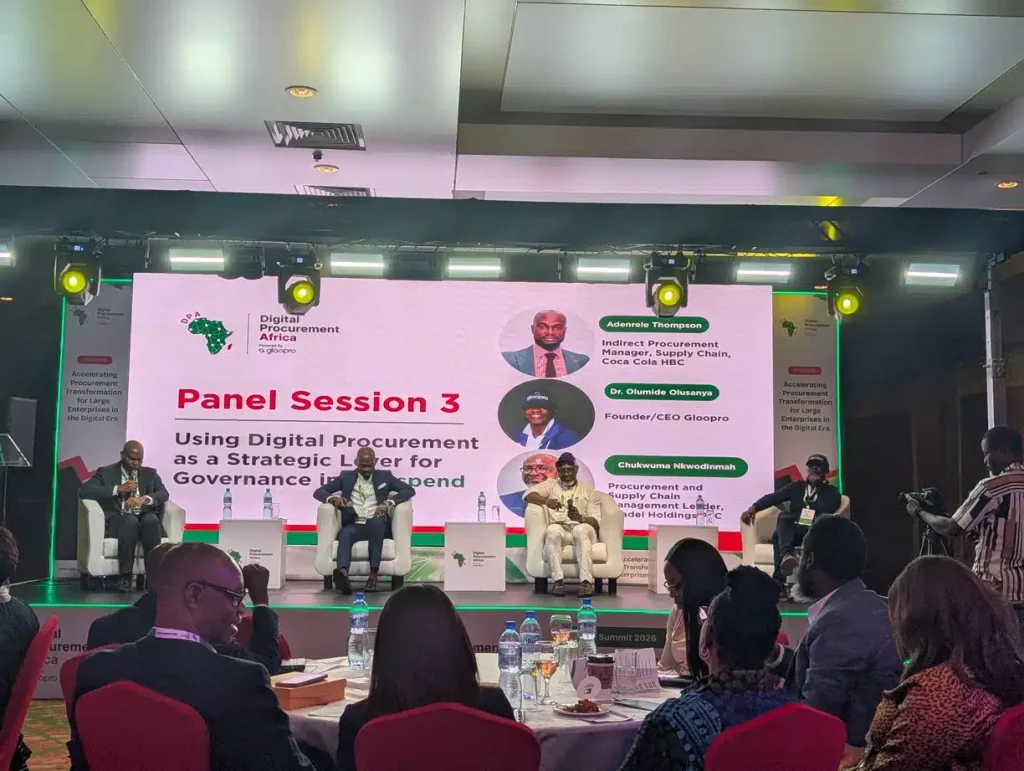
At the Digital Procurement Africa Summit, industry leaders, policymakers, and technology experts reached a strong consensus: digitisation is no longer optional for procurement systems in Africa—it is the future. Across panel discussions and keynote presentations, speakers emphasized that digital transformation is reshaping how governments and businesses source goods, manage suppliers, and control costs.
Procurement, traditionally seen as a paper-heavy and bureaucratic function, is rapidly evolving due to advancements in artificial intelligence, cloud computing, and data analytics. Experts at the summit highlighted that digital procurement systems are improving transparency, reducing inefficiencies, and helping organizations make faster, data-driven decisions.
One of the central themes of the summit was accountability. Participants noted that manual procurement processes often create room for delays, errors, and corruption risks. By contrast, digital platforms introduce traceability at every stage of the procurement cycle—from supplier onboarding to contract execution and payment. This level of visibility is particularly important for public sector procurement, where transparency and compliance are critical.
Speakers also pointed to cost savings as a major benefit of digitisation. Automated procurement systems allow organizations to compare suppliers more effectively, negotiate better pricing, and reduce administrative overhead. In many cases, digital tools can significantly shorten procurement cycles, enabling faster delivery of essential goods and services.
Another key focus was supplier inclusion. Experts argued that digital procurement platforms can level the playing field by giving small and medium-sized enterprises (SMEs) better access to procurement opportunities. Instead of relying on personal networks or manual bidding processes, SMEs can participate in standardized, transparent digital marketplaces.
Technology leaders at the summit also discussed the growing role of artificial intelligence in procurement. AI-powered systems are increasingly being used to forecast demand, detect fraud patterns, and optimize supply chain decisions. Combined with real-time data analytics, these tools help organizations anticipate disruptions and respond more effectively to market changes.
Despite the optimism, participants acknowledged several challenges to widespread adoption. Infrastructure gaps, limited digital literacy, and resistance to change remain significant barriers in some parts of the continent. However, many speakers emphasized that these challenges are not insurmountable, especially as mobile connectivity and cloud-based solutions become more accessible.
Governments were urged to play a proactive role by investing in digital infrastructure and adopting policies that support e-procurement systems. Private sector leaders also called for stronger collaboration between technology providers and procurement institutions to ensure successful implementation.
The summit concluded with a shared vision: a future where procurement across Africa is fully digitised, transparent, efficient, and inclusive. As organizations continue to embrace digital tools, experts believe procurement will shift from a back-office function into a strategic driver of economic growth and innovation across the continent.
Leave a Reply